

Custom Scarves by Material, Finish and Budget
Compare polyester satin, viscose or modal, silk blends and wool by hand feel, use and target price before setting the finished scarf specification.
- Material: Polyester satin, viscose or modal, silk blends or wool
- Price target: Expected range for material comparison
- Format: Square, long, twilly or project-specific dimensions
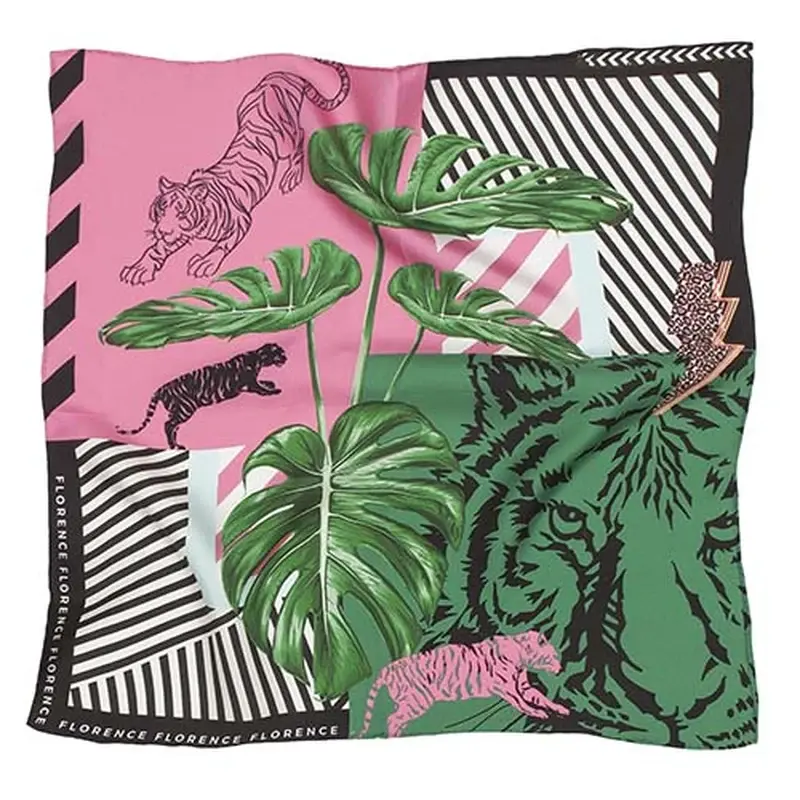
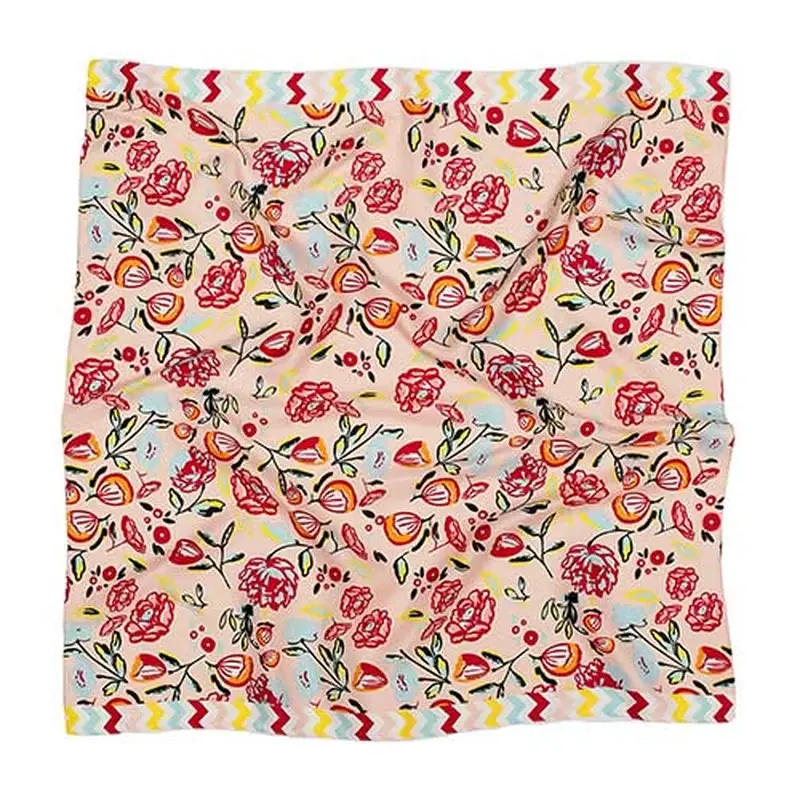
- Print: Dyeing, digital or screen printing; Pantone references
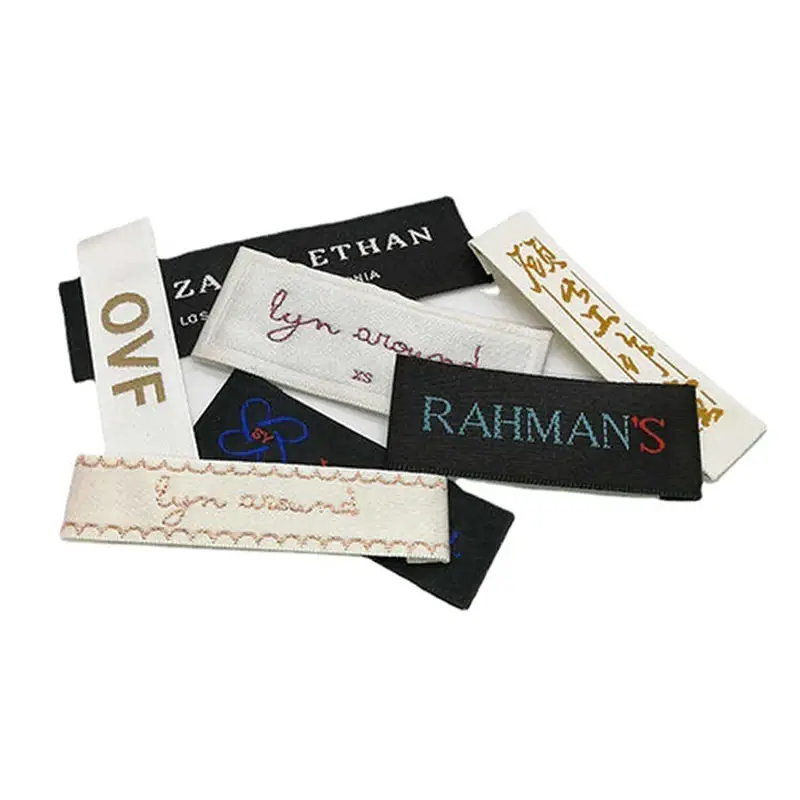
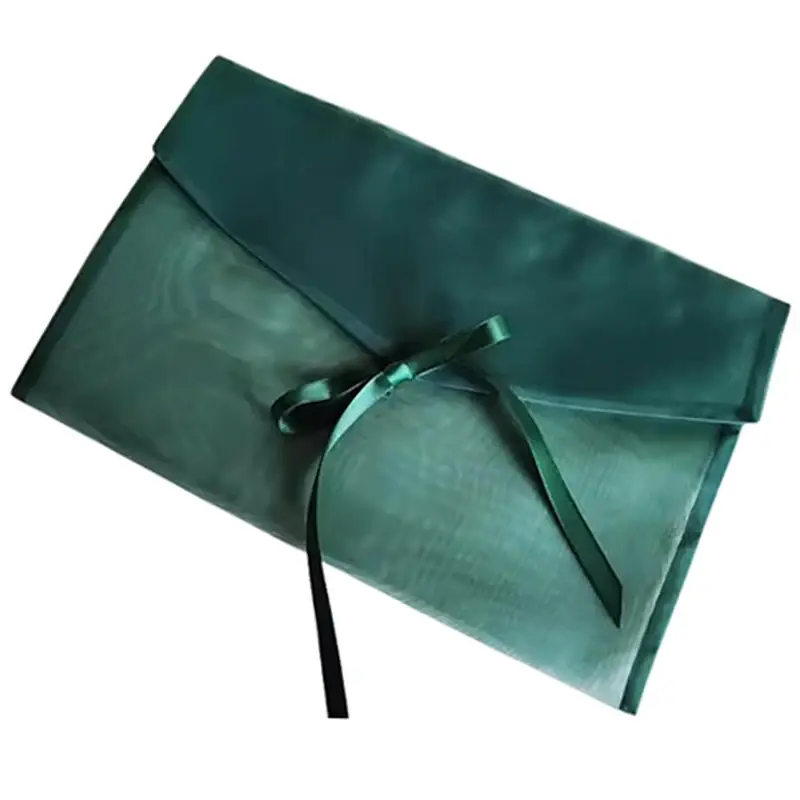
- Finish: Edge, labels, tags and packaging
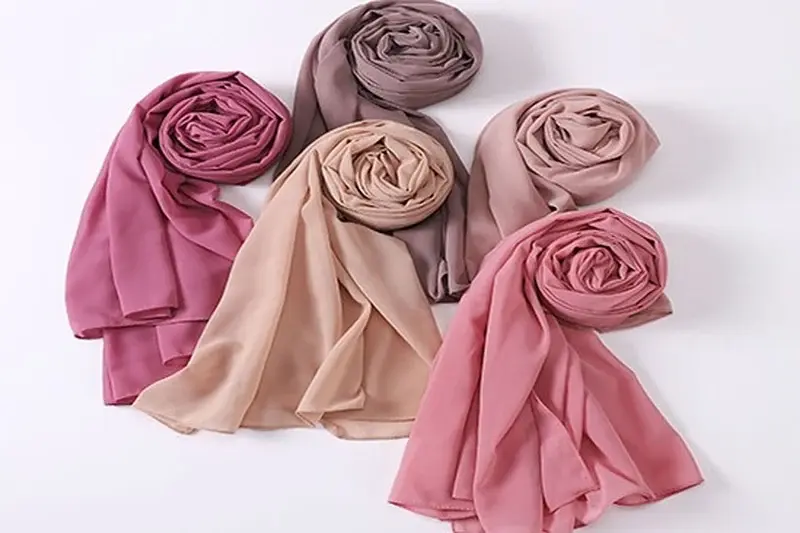
Choose Material and Price Level First
Material changes hand feel, drape, season and base cost before size, print or packaging are added. Start with the intended use, quantity and target price range.
Compare the Main Material Groups
Start with one or two materials that fit the use and target price.
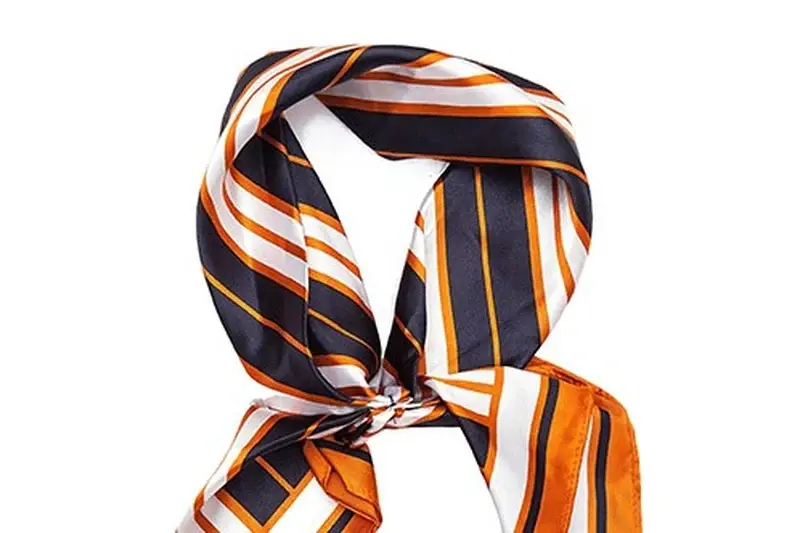
Polyester Satin
Usually the most cost-efficient listed option for promotions, events and larger-volume programs.
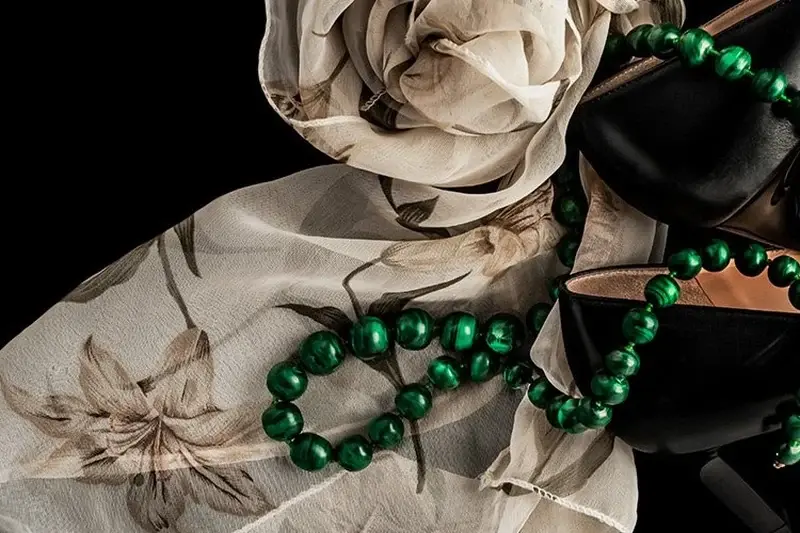
Viscose and Modal
Soft, fluid options for fashion scarves when the buyer needs a mid-range material direction.
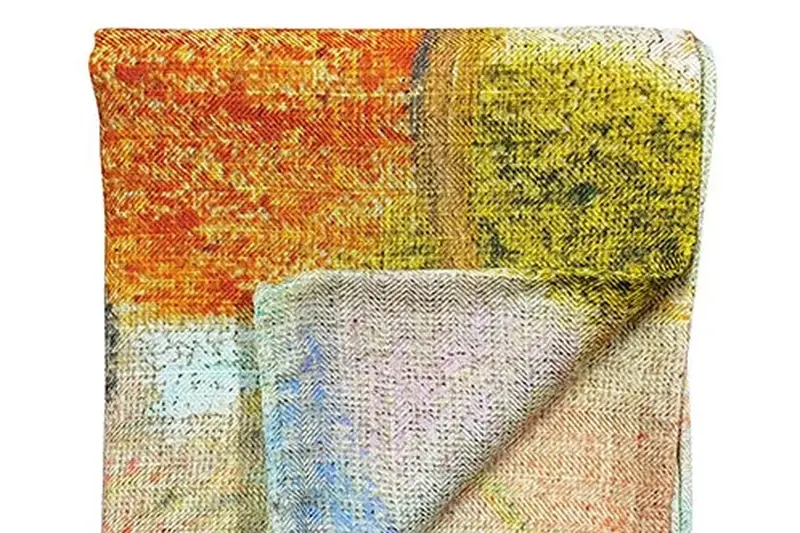
Silk Blends and Wool
Price follows fiber content and weight.
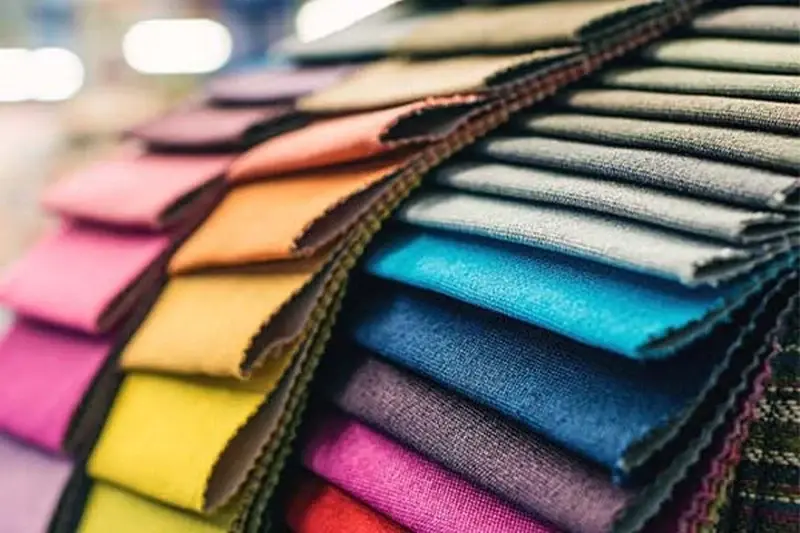
Compare the Material Before Quoting
The same artwork can look and feel different on each fiber and fabric construction.
- Composition
Confirm exact fiber percentages, not only a trade name such as satin. - Hand feel and drape
Compare softness, sheen, body and warmth on physical swatches. - Print result
Review color, detail and front-and-back appearance on the chosen material.
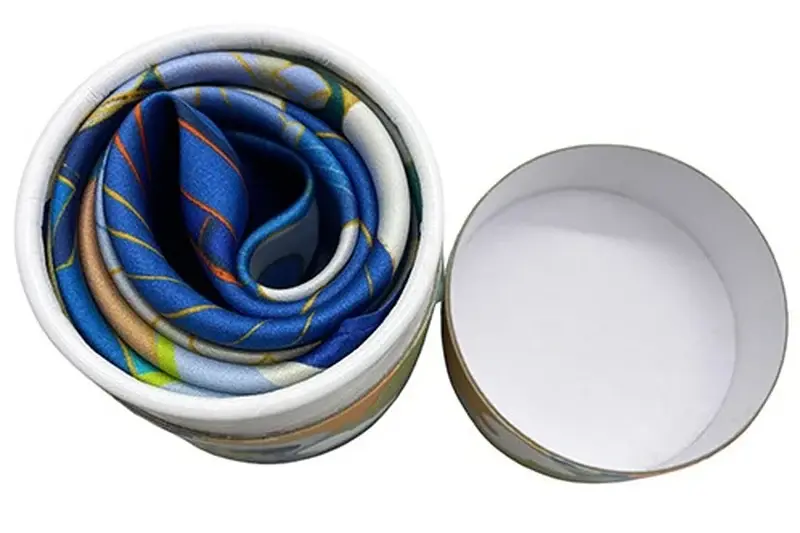
What Changes the Scarf Price
A useful comparison keeps size, artwork, finish and quantity consistent while the material changes.
- Material and weight
Fiber composition, construction and weight establish the first price level. - Size and print
Finished dimensions, method and artwork coverage add material and production work. - Finish and order plan
Edge, labels, packaging and quantity per design complete the quote.
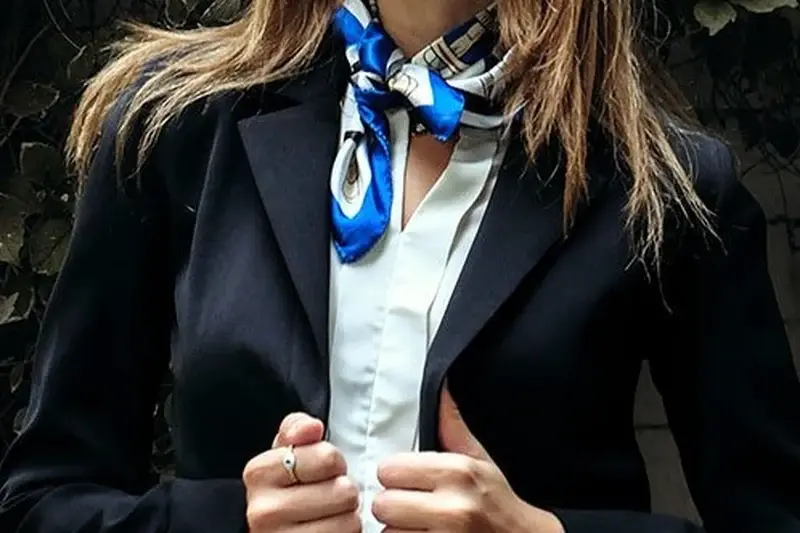
Match Material to the Intended Use
Choose for wear, season and order goal, not appearance alone.
- Promotions and events
Polyester satin supports a budget-led direction and repeat quantities. - Fashion and retail
Viscose, modal or silk blends can be compared by drape and print result. - Seasonal collections
Review wool by fiber quality, weight, warmth and finished feel.
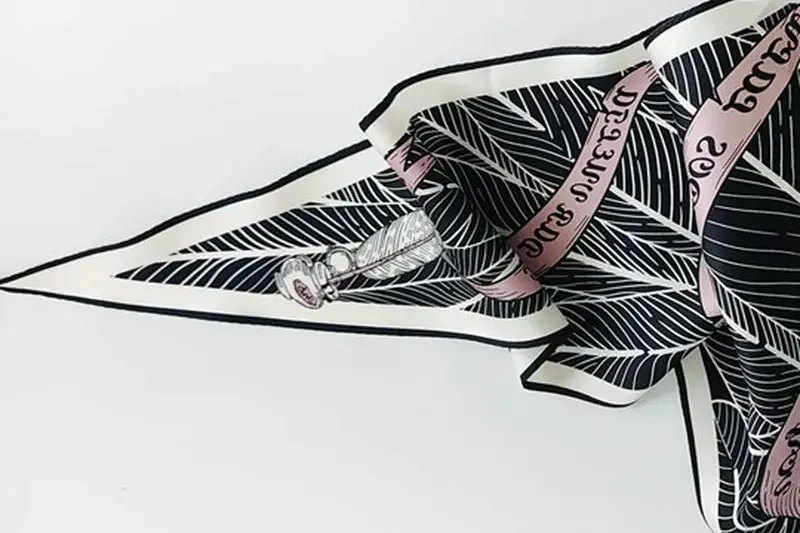
Match Format and Edge to the Fabric
The selected material must support the finished dimensions, fold and edge method.
- Square or long
Set finished dimensions and material use before adapting the artwork. - Twilly or custom shape
Check narrow proportions, folds and motif visibility. - Edge test
Approve hand-rolled, machine-rolled, baby or narrow hems on the selected material.

Approve the Material and Finished Sample
Approve the fabric first, then the printed or dyed result, then the finished scarf.
- Material swatch
Confirm composition, hand feel, drape, weight and surface. - Color or print sample
Review the actual result on the selected material. - Finished scarf
Check dimensions, edge, label, fold and packaging before production.
Continue the Material Decision
Use the page that matches the remaining comparison.
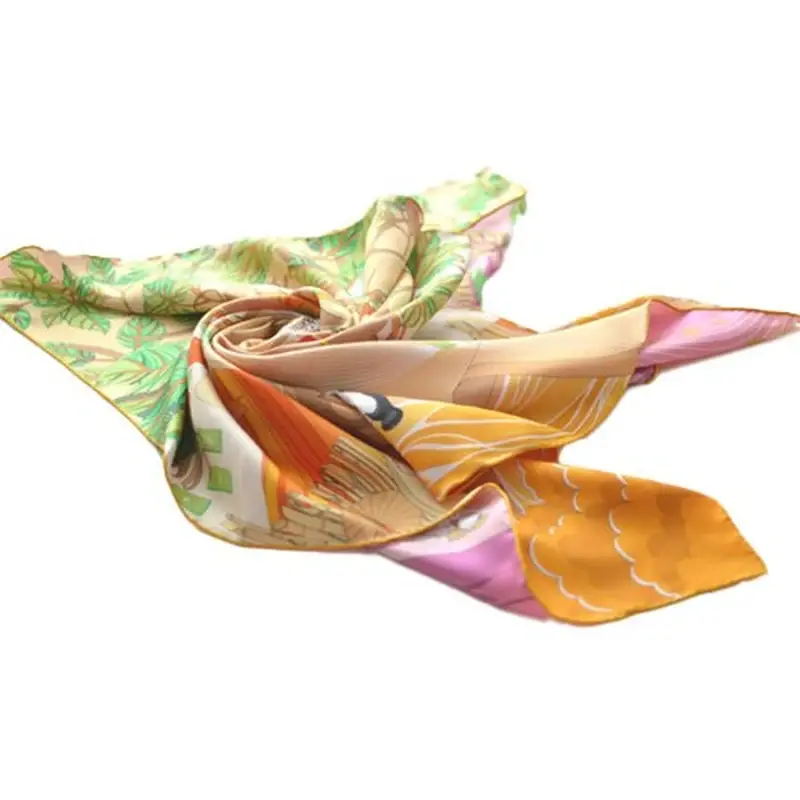

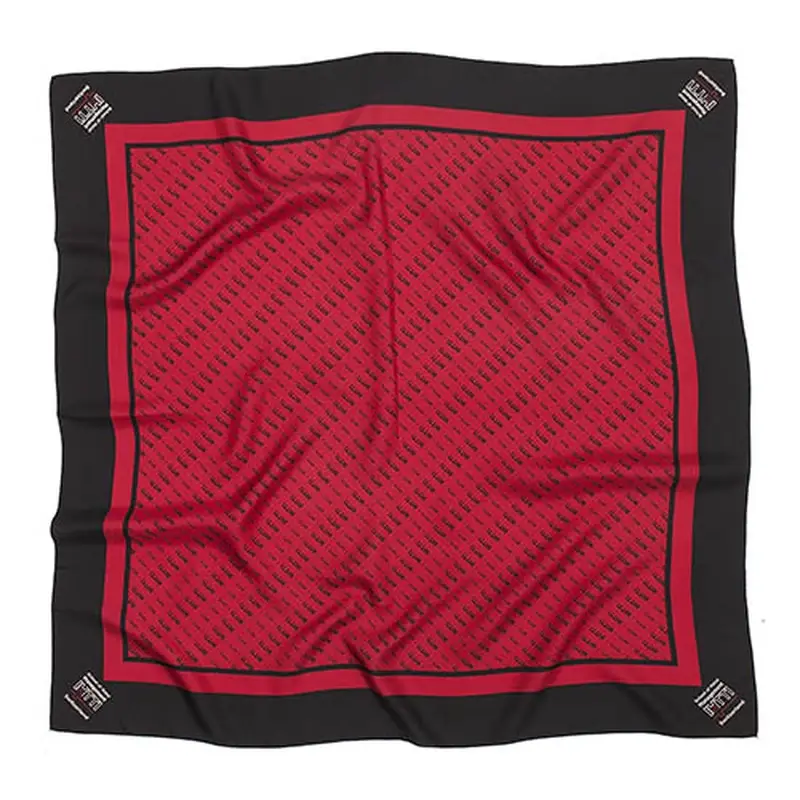
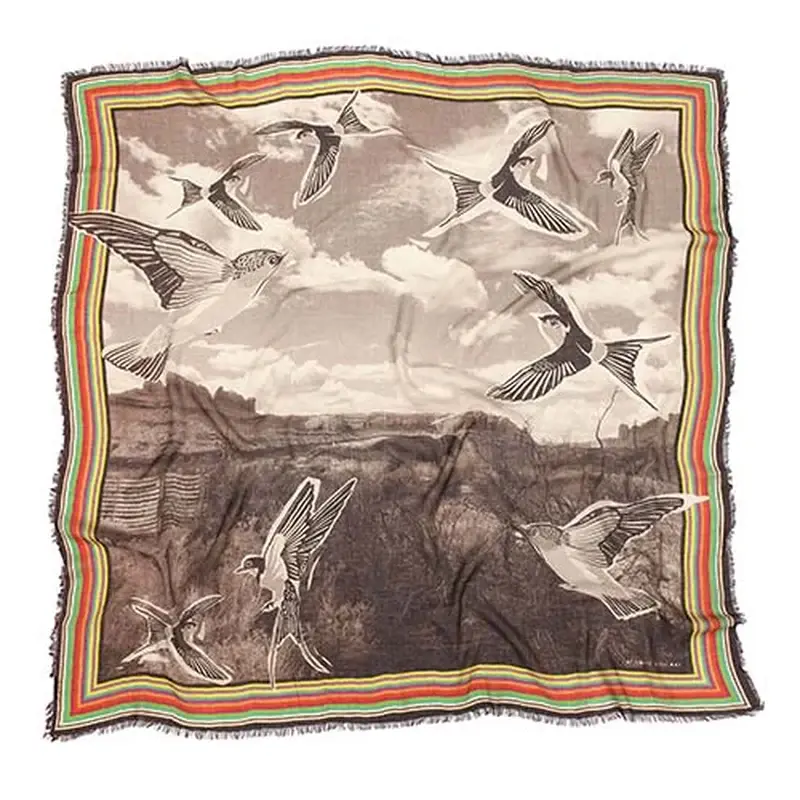
From Material Approval to Production
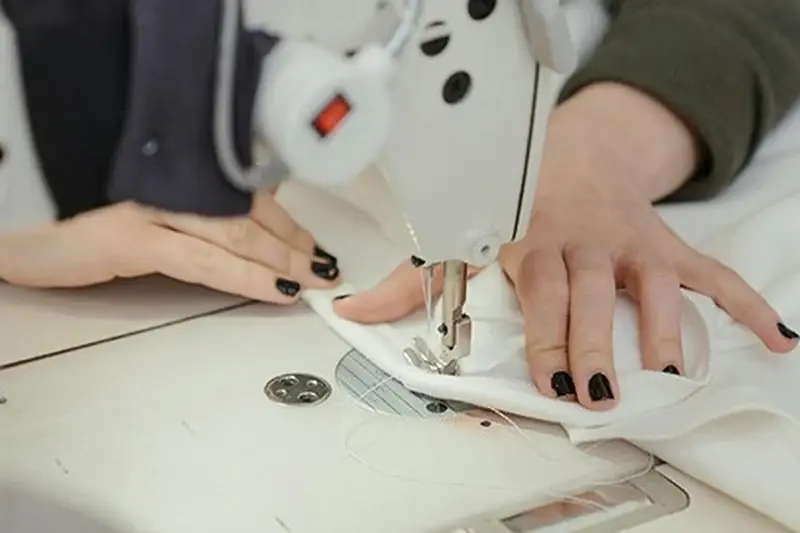
After the material and finished sample are approved, dyeing or printing, cutting, edge finishing, inspection and packing follow the confirmed composition, dimensions, artwork, finish and quantity in our factory.
Send Your Material and Budget Brief
Include the intended use, material shortlist, target price level, format, size, artwork, quantity per design, edge, labels and packaging.
Request a QuoteFrequently Asked Questions
Answers about material choice, price level and quote comparison.