
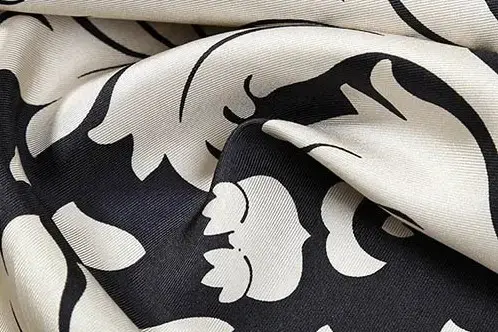
What Is Silk Twill?
See how twill's diagonal weave changes texture and structure, then check what that means for printed scarves, ties, folds, and finished edges.
Read Twill Guide →Choose the question behind your fabric decision: fiber, weave, momme, surface, transparency, care, or end use. These eight guides explain one comparison at a time. See Fabrics for the current material pages, or move to Custom Silk Fabric when your sourcing brief is ready.
See how twill's diagonal weave changes texture and structure, then check what that means for printed scarves, ties, folds, and finished edges.
Read Twill Guide →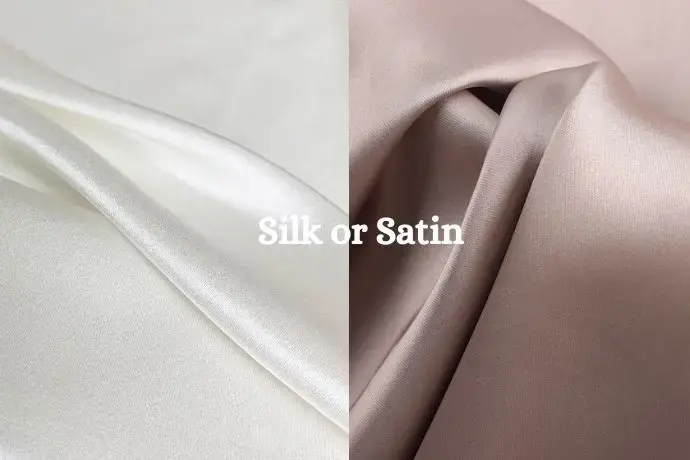
Separate fiber from weave before comparing materials: silk names the fiber, while satin describes how yarns form a smooth face.
Compare Silk and Satin →
Compare silk and cotton by surface, drape, care, and end use, then set up a fair sample comparison for the same product.
Compare Silk and Cotton →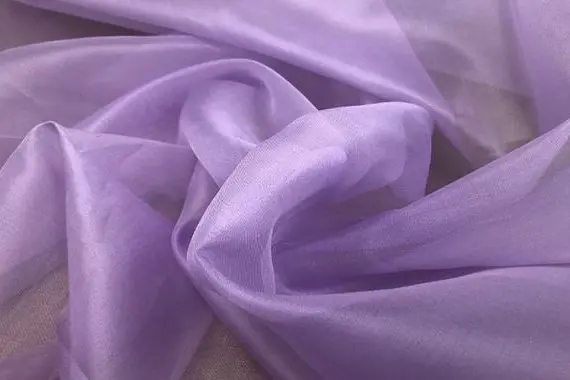
Learn why chiffon names a fabric structure rather than a fiber, how to confirm silk chiffon, and what transparency looks like in folds or layers.
Read Chiffon Guide →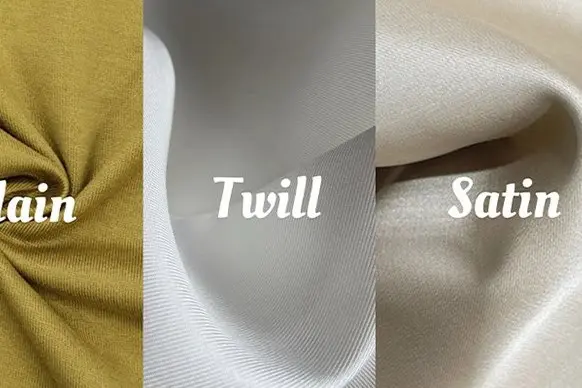
Compare satin, twill, habotai, crepe de chine, and chiffon by surface, body, and transparency before selecting samples.
Compare Fabric Weaves →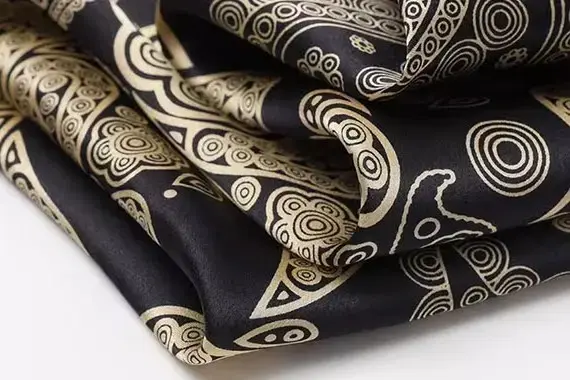
Start with how the scarf will be worn, folded, and printed, then compare surface, body, transparency, and edge behavior.
Choose Scarf Material →
Understand what momme measures, how it relates to approximate GSM, and why weave, finish, and product construction still affect the result.
Understand Momme →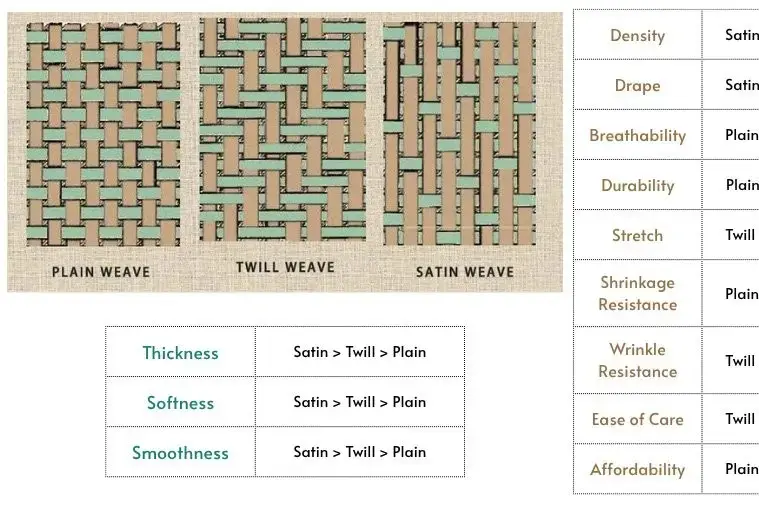
Compare satin and twill with the same artwork and product brief, then review sheen, texture, folds, edges, and construction.
Compare Satin and Twill →