
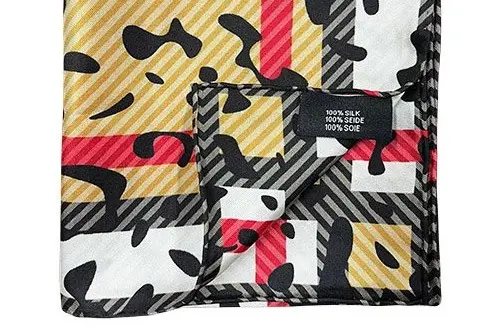
Silk satin and silk twill are both useful silk fabric directions, but they create different products. Silk satin is usually chosen for a smooth surface, visible sheen and fluid drape. Silk twill is usually chosen for diagonal texture, more body and a structured presentation.
For custom projects, the better choice depends on whether you are making pillowcases, sleepwear, scarves, ties, accessories or printed silk fabric. Artwork, color, momme, edge finish, label and packaging should all be considered before sampling.
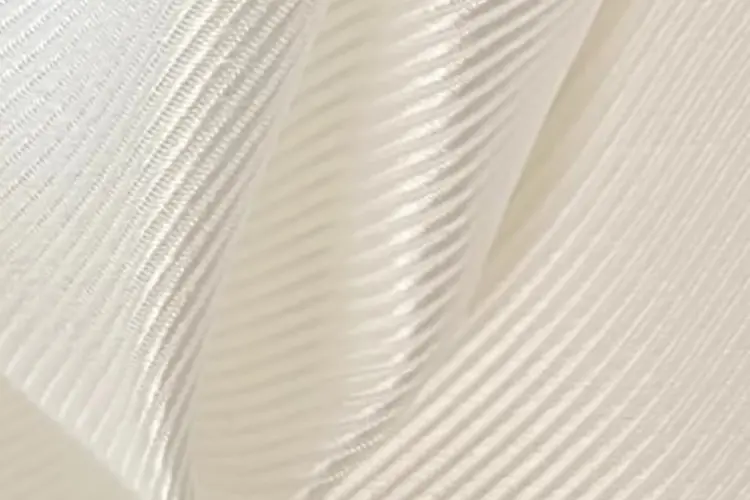
Quick Comparison: Satin vs Twill
| Decision point | Silk satin | Silk twill |
|---|---|---|
| Surface | Smooth and glossy | Diagonal texture |
| Drape | Fluid and soft | More body and structure |
| Common products | Pillowcases, pajamas, robes, bedding, selected scarves | Scarves, ties, bow ties, bandanas, printed accessories |
| Print effect | Smooth color surface with sheen | Textured print surface with structured appearance |
| Buyer question | Does the product need shine and softness? | Does the product need texture and shape? |
Neither fabric is automatically better. The right choice is the one that fits the product use.
Choose Satin When the Product Needs Shine
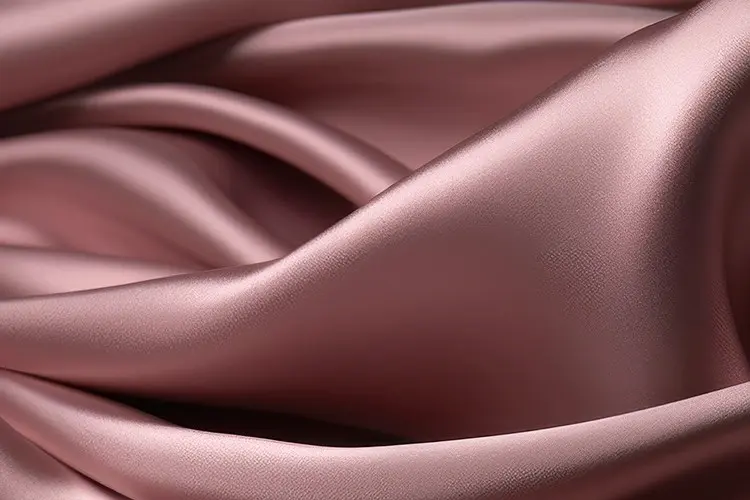
Choose the satin direction when a smooth face and polished sheen are part of the product brief. This is why satin is often reviewed first for pillowcases, pajamas, robes, bedding and some scarf styles.
Choose silk satin when the product needs:
- Smooth surface
- Visible sheen
- Fluid drape
- Sleepwear or bedding positioning
- Bright color presentation
- A polished retail look
For printed projects, review whether the shine supports the artwork or makes the design look too reflective for the buyer's target style.
Choose Twill When the Product Needs Shape
Choose the twill direction when the product brief needs more body, a textured surface and a scarf or accessory that looks more defined when folded, tied or displayed.
Choose silk twill when the product needs:
- Diagonal texture
- More body in the hand
- Folded scarf presentation
- Borders, central artwork or brand graphics
- Tie or accessory structure
- A refined surface without high gloss
For scarf projects, compare how the same border, logo or artwork sits on twill versus satin before choosing.
Product-by-Product Decision Guide
| Product | Compare first | Why |
|---|---|---|
| Silk pillowcases | Satin or charmeuse | Smooth surface and sleep-product positioning usually matter most |
| Silk pajamas | Satin, charmeuse or crepe de chine | Drape, opacity and seam behavior decide the final direction |
| Silk robes | Satin first, twill only for specific structure | Robes usually need drape, but some designs may need body |
| Square scarves | Satin and twill side by side | The decision depends on shine, border clarity and folded appearance |
| Ties and bow ties | Twill or another structured silk direction | Shape support usually matters more than glossy drape |
| Printed accessories | Satin or twill depending on style | Satin emphasizes shine; twill emphasizes structure |
If the product is both printed and gift-ready, compare fabric together with edge finish, label and packaging, not as a fabric-only decision.
Same Artwork, Different Fabric Result
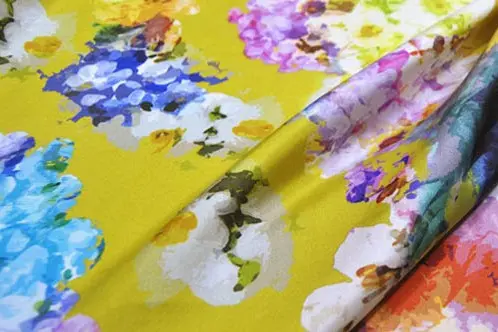
The same artwork can feel different on satin and twill. Satin can make color look more polished because of its shine. Twill can make the same artwork feel more structured because the surface texture becomes part of the design.
Before sampling, prepare:
- Product type and finished size
- Artwork, logo or repeat pattern
- Fabric direction: satin, twill or both for comparison
- Momme or target hand feel
- Pantone or physical color references
- Quantity and sample needs
- Label and packaging plan
Color matching should be reviewed on actual fabric because surface and weave can affect appearance. For scarf borders and logos, compare line clarity after the fabric is folded or tied.
Momme Does Not Decide Satin vs Twill by Itself
Momme describes silk weight. Weave describes fabric structure. A satin and a twill can both be silk, but they may still behave differently at a similar weight.
ElaraSilk can discuss 16 / 19 / 22 / 25 / 30 Momme options depending on fabric and product type. For example, pillowcases often start with different weight questions than scarves or ties.
Choose weight by product use, opacity, drape, hand feel, price position and sample result.
Common Mistakes to Avoid
Avoid these issues when choosing between satin and twill:
- Choosing by fabric name only
- Using satin for every scarf without checking structure
- Using twill for sleep products that need a smooth glossy surface
- Ignoring momme and opacity
- Reviewing color only on screen
- Forgetting edge finish, labels and packaging
Samples help compare sheen, texture, drape, print result and final product feel.
Frequently Asked Questions
Silk satin is smooth and glossy. Silk twill has diagonal texture and more structure.
Silk satin or charmeuse is commonly used for pillowcases because it provides a smooth surface and visible sheen.
Silk twill is often a strong choice for scarves when structure, texture, borders and printed artwork presentation matter.
Yes. Both can be printed, but the surface, texture, sheen and hand feel affect how artwork and color appear.
Yes. Samples help compare sheen, texture, drape, print color, line clarity, weight and suitability for the final product.
Send the product type, finished size, artwork, fabric preference, momme direction, color references, quantity, label needs and packaging plan.
Related Resources
Send your product type, finished size, artwork, fabric preference, momme direction, color references, quantity, label needs and packaging plan. ElaraSilk can help compare silk satin and silk twill before sampling.
Send Project Details