
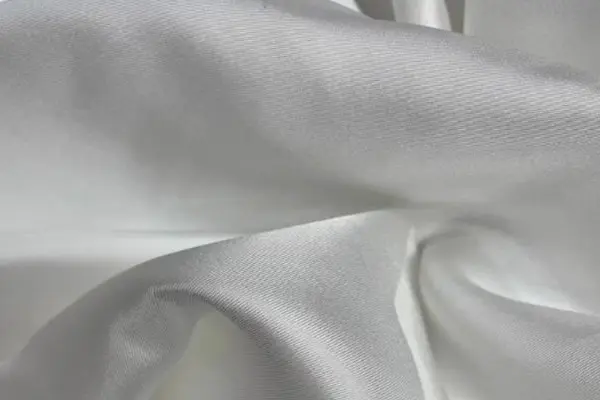
Silk twill is a silk fabric made with a diagonal weave. That diagonal structure gives the fabric more texture and body than very smooth silk satin or very light silk habotai, which is why buyers often consider it for scarves, ties, bandanas, accessories and printed silk projects.
The simplest way to decide whether silk twill is right is to look at the final product. If the product needs a refined silk hand feel with more structure, visible texture and good presentation for printed graphics, twill may be a strong option. If the product needs a glossy sleepwear feel or a very soft drape, another silk fabric may be better.
Quick Answer: What Makes Silk Twill Different?
| Point | Practical meaning |
|---|---|
| Weave | Diagonal twill lines are visible on the fabric surface |
| Hand feel | More body and structure than many smooth silk fabrics |
| Drape | Fluid, but not as loose as very light silk fabrics |
| Appearance | Refined texture instead of a plain glossy surface |
| Common uses | Scarves, ties, bow ties, bandanas, accessories and printed fabric |
| Buyer decision | Best confirmed with fabric swatches or printed samples |
Silk twill is not automatically better than satin, charmeuse, habotai or crepe de chine. It is better when its texture and structure match the product goal.
How Silk Twill Looks and Feels
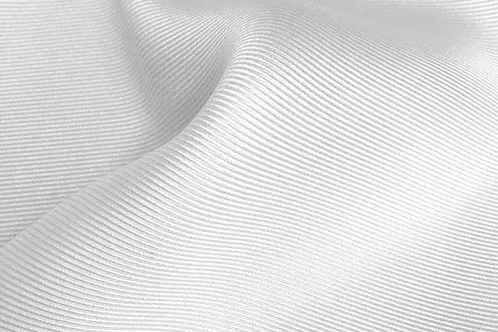
The diagonal weave is the main visual clue. On close inspection, silk twill shows fine diagonal ribs across the surface. This gives the fabric a more structured character while still keeping a silk feel.
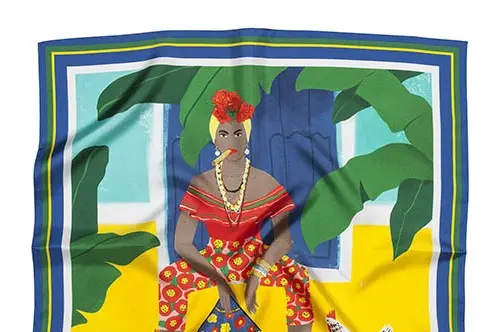
For scarves, that structure can help the piece feel more substantial when folded, tied or displayed. For ties and bow ties, it can help support shape. For printed accessories, the surface texture can add depth to artwork, logos, borders and repeat patterns.
When to Choose Silk Twill
Silk twill is worth considering when the product needs a balance of elegance, texture and structure.
| Product or project | Why silk twill may fit |
|---|---|
| Square silk scarves | Works well with borders, central artwork, folded display and hand-rolled edges |
| Corporate scarves | Gives brand graphics and color blocks a more structured presentation |
| Ties and bow ties | Offers body, texture and shape support |
| Bandanas | Supports printed graphics, borders and edge finishing |
| Printed silk fabric | Useful when the weave texture is part of the final product look |
| Gift accessories | Feels refined without looking too plain or flat |
If the design has very fine lines or sensitive color requirements, review a sample before confirming bulk production.
Silk Twill vs Silk Satin
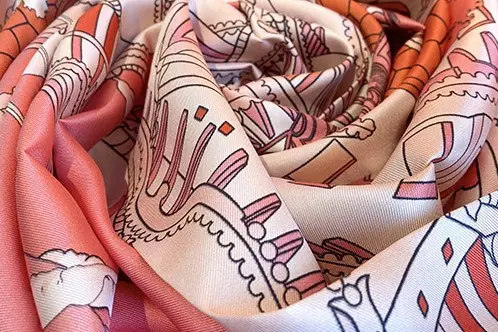
Silk twill and silk satin can both be high-quality options, but they are chosen for different reasons.
| Comparison point | Silk twill | Silk satin |
|---|---|---|
| Surface | Diagonal texture | Smooth, glossy face |
| Structure | More body | Softer, more fluid |
| Visual style | Textured and refined | Sleek and shiny |
| Common products | Scarves, ties, bandanas, accessories | Pillowcases, sleepwear, robes, smooth scarves |
| Print review | Check texture, lines and color on sample | Check sheen, color and surface smoothness |
Choose twill when texture and shape matter. Choose satin when a smooth glossy surface is the main goal.
Printing on Silk Twill
Silk twill can work well for printed artwork, but the weave should be part of the review. Diagonal texture can affect how fine lines, solid areas, small motifs and color transitions appear.
Before production, prepare:
- Artwork file or pattern layout
- Finished product size
- Fabric preference and momme direction
- Border, repeat or placement notes
- Pantone or physical color references
- Quantity and sample requirements
- Label and packaging plan
ElaraSilk can discuss print layout, color matching and sample review before bulk production.
Common Mistakes to Avoid
Do not choose silk twill only because the fabric name sounds premium. The right choice depends on product use, artwork, hand feel, drape, finishing method and buyer expectations.
Common mistakes include:
- Comparing fabrics only from photos
- Ignoring how the scarf or accessory will be folded or tied
- Using very fine artwork without sample review
- Choosing a fabric before confirming product size
- Assuming twill and satin will show color in the same way
- Forgetting label, packaging and care-label requirements
A fabric swatch or printed sample usually gives a clearer decision than a fabric name alone.
Frequently Asked Questions
Silk twill is a silk fabric with a diagonal weave. It has visible texture, more body than many smooth silk fabrics and a refined hand feel.
It is often used for scarves, ties, bow ties, bandanas, accessories and printed silk fabric where texture and structure are useful.
Yes, silk twill can be a good option for printed scarves, especially when the design uses borders, artwork placement, brand graphics or repeat patterns.
Silk twill has diagonal texture and more body. Silk satin has a smoother, glossier surface and a softer drape.
Yes. Sampling helps confirm fabric weight, texture, drape, print color, line clarity, edge finish and overall product feel.
Yes. ElaraSilk can discuss silk twill, satin, charmeuse, habotai, crepe de chine and other fabric directions based on product type, artwork and quantity.
Related Resources
Send your product type, artwork, finished size, fabric preference, momme direction, color references, quantity, label needs and packaging plan. ElaraSilk can help compare silk twill with other silk fabrics before sampling.
Send Project Details