
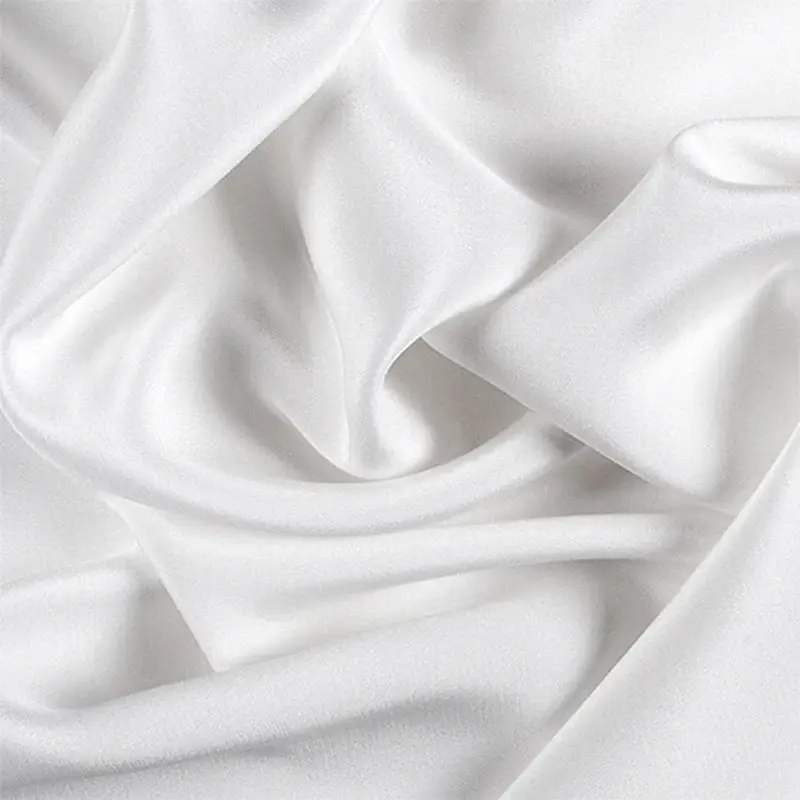

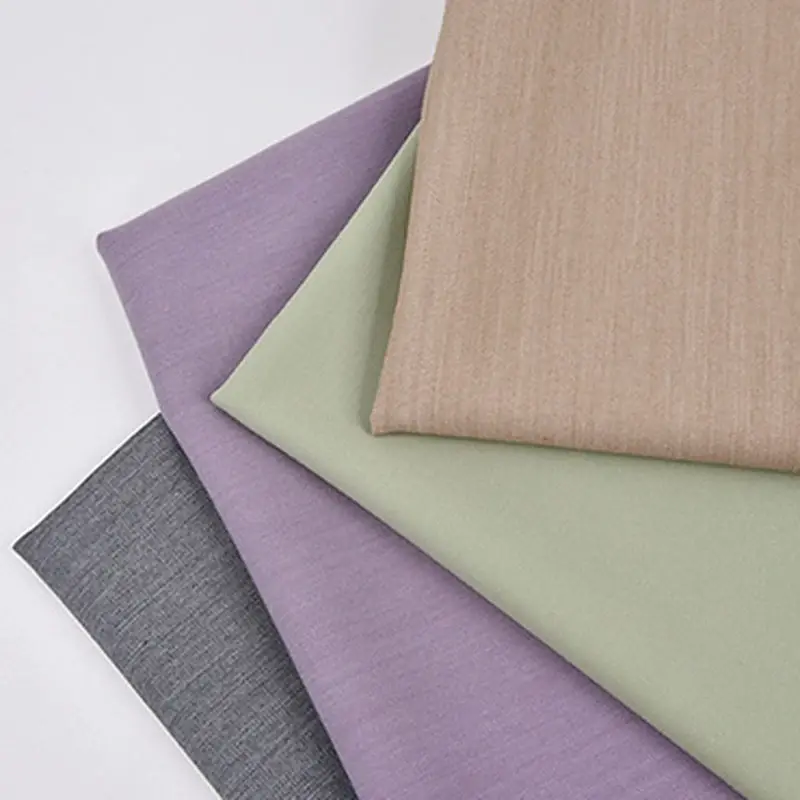
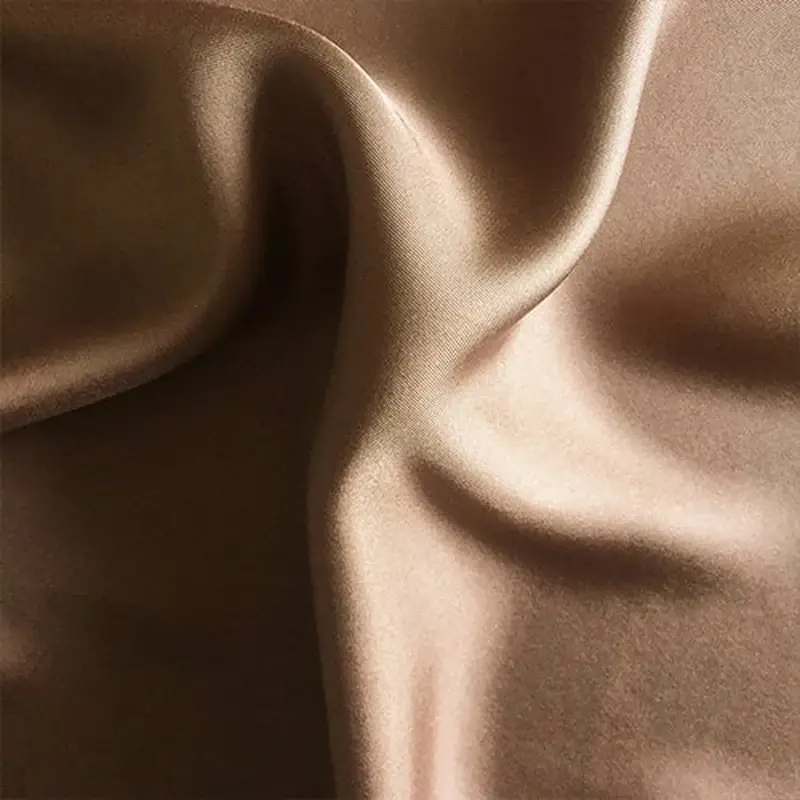
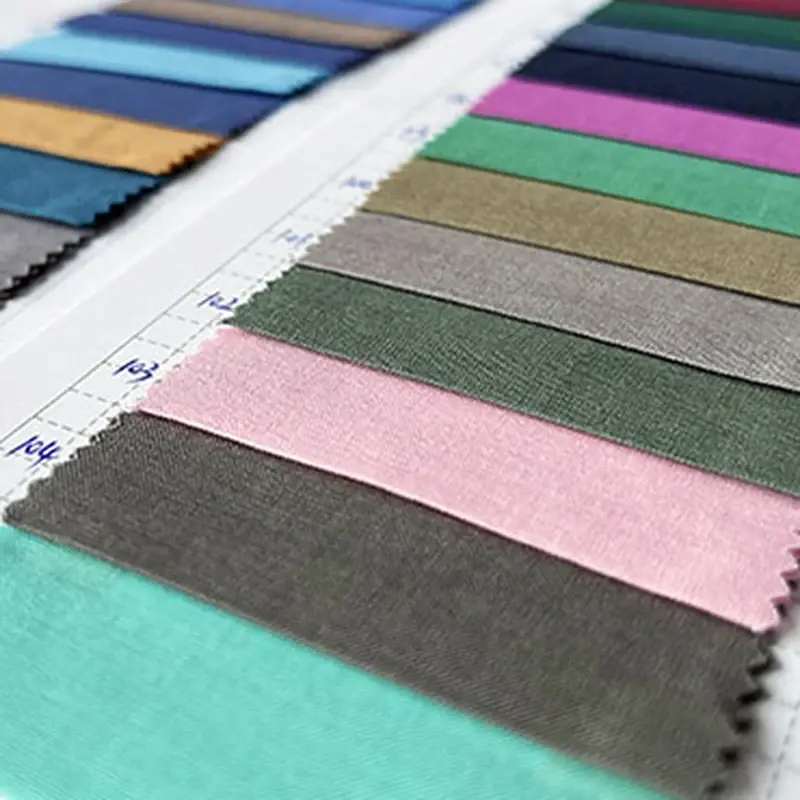
Source Mulberry Silk by Weave and Momme
Source 100% mulberry silk by weave, momme, target width, color and finish for product development and sampling.
- Composition: 100% mulberry silk
- Weaves: Charmeuse, crepe de chine, habotai, satin and twill
- Momme: 16, 19, 22, 25 or 30
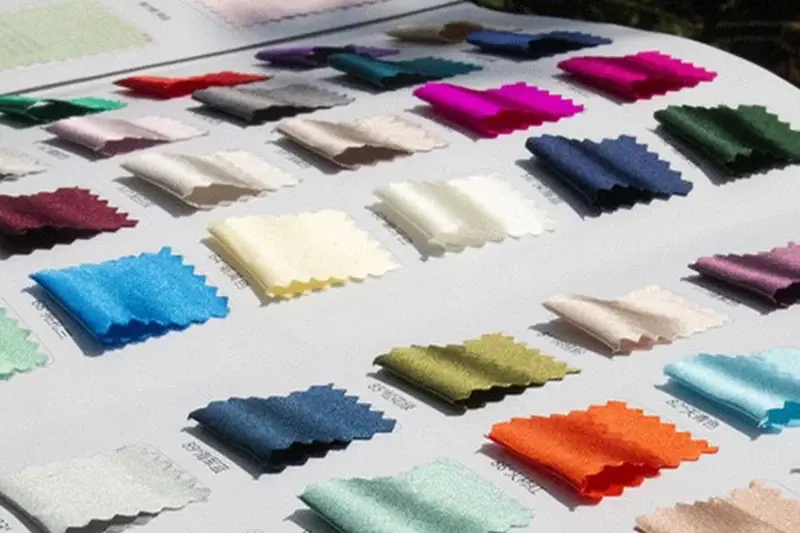
- Color: Custom color and Pantone matching
- Order fields: Width, finish, quantity and sample need

Start with the Finished Product
The end use sets the right questions for surface, drape, weight, sewing and print. Tell us what the fabric must become before selecting a weave by name alone.
Choose the Weave Direction
Compare surface, drape and structure on the silk that will be used for your product.

Charmeuse and Satin
Smooth, bright surfaces. Compare sheen, drape and handling marks on the physical sample.
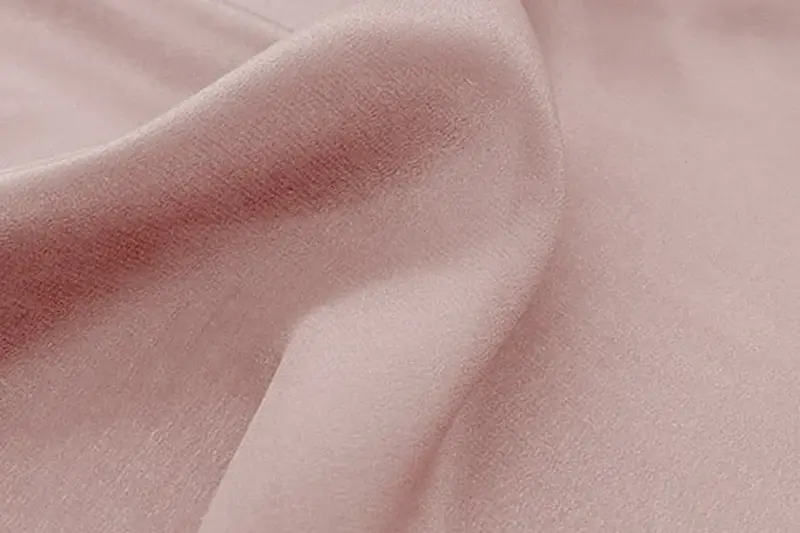
Crepe de Chine
A subtle texture with lower sheen. Check hand feel, movement and color before approval.
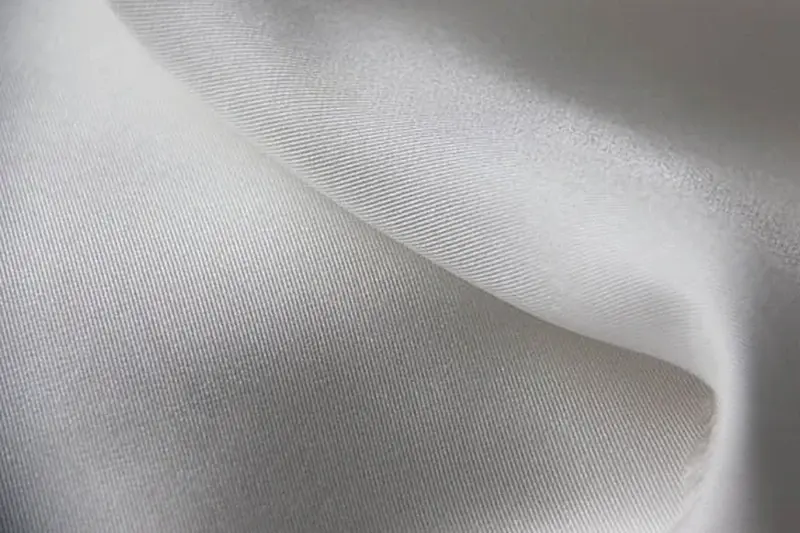
Habotai and Twill
Habotai is lighter; twill has more structure and a diagonal surface. Compare both against the end use.

Separate Composition from Momme
“Silk” alone is not a complete material specification. Record the fiber, weave and weight separately.
- Composition
Specify 100% mulberry silk. - Momme
Choose 16, 19, 22, 25 or 30, then evaluate it with the selected weave. - 6A raw silk
Treat 6A as a raw-silk grade, not as a certification.
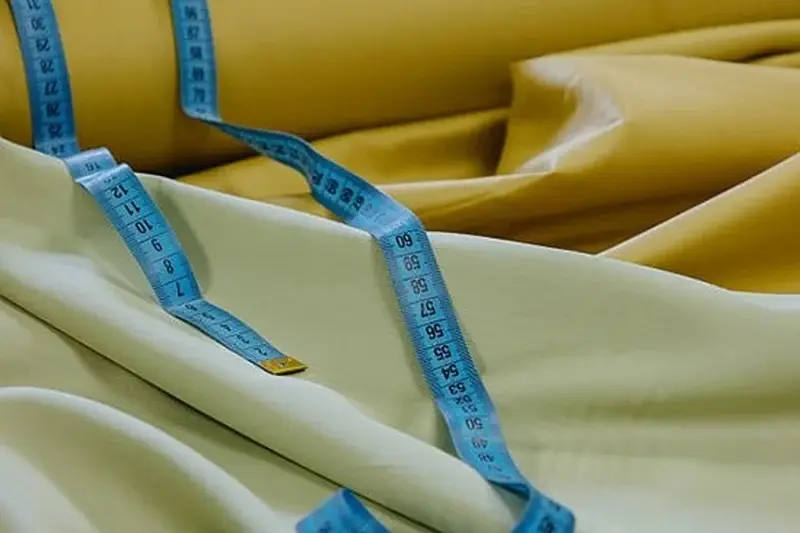
Complete the Fields That Change the Quote
Fabric MOQ, sample format and timing depend on the exact material request.
- Target usable width
State the width required by your cutting plan or finished product. - Color and finish
Send a Pantone code, physical reference and the required surface or hand feel. - Sample and quantity
Tell us whether you need a swatch or meter sample and the expected order volume.

Match the Silk to the Finished Product
The same weave and momme can behave differently after printing, cutting and sewing.
- Sleep products
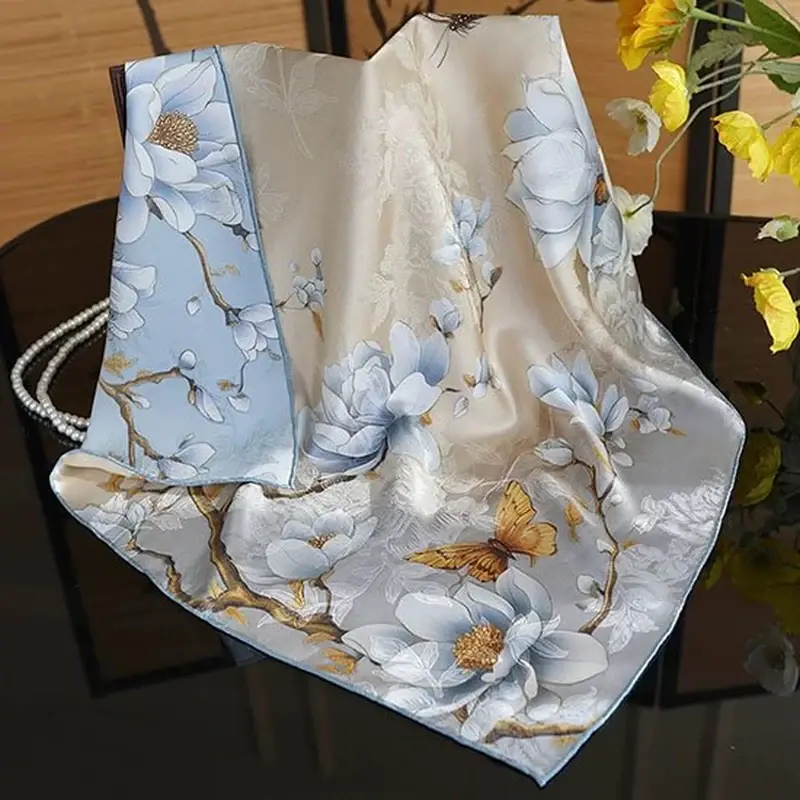
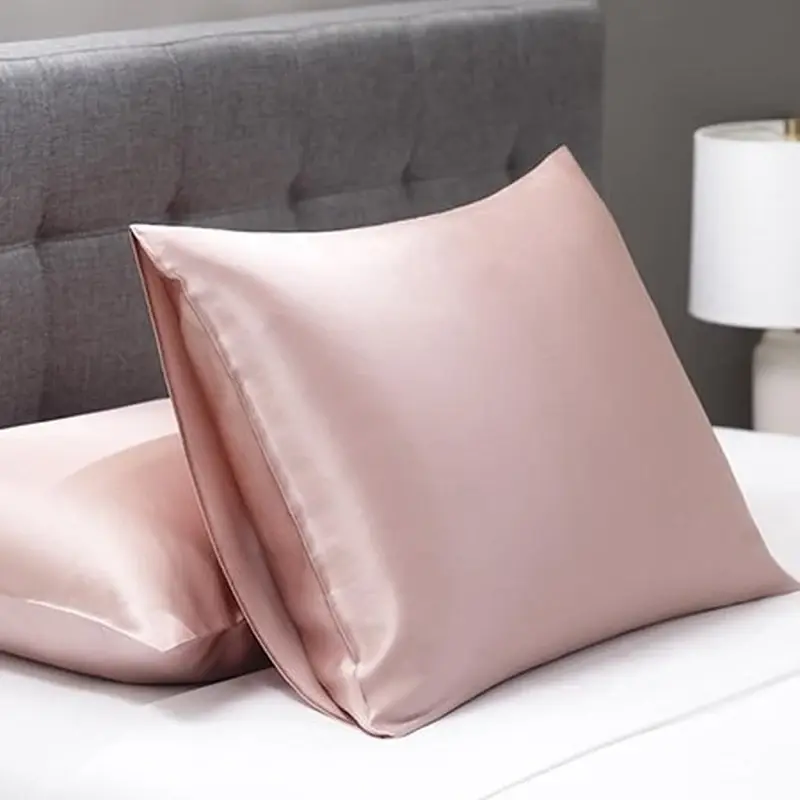
Review surface, momme, contact side and sewing construction. - Scarves
Review drape, print result and edge compatibility. - Apparel and accessories
Review movement, seams, pressing, gathering or layer structure.
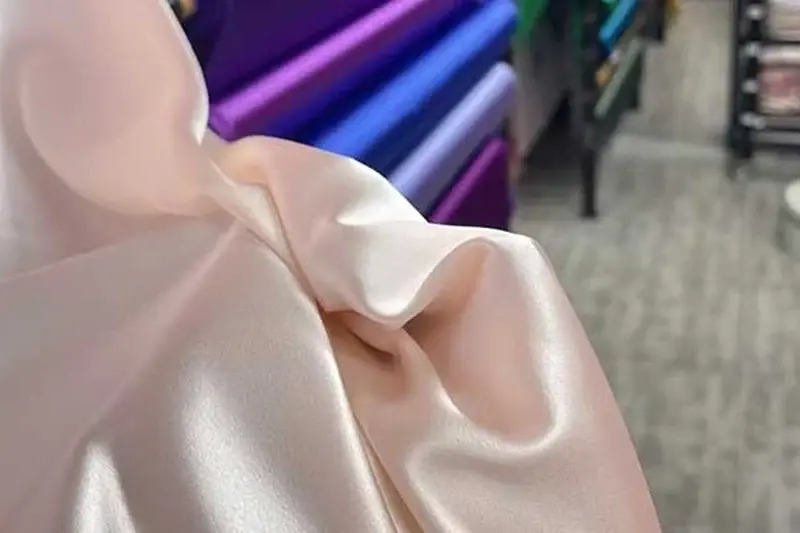
Keep One Approved Material Reference
Use the approved swatch and written specification together when reviewing later samples.
- Fabric record
Keep composition, weave, momme and target width under one project code. - Color and finish
Attach the approved reference instead of relying on a color name. - Later batches
Compare new material with the approved record before product development continues.
Prepare the Specification for Reorders
A clear project record makes availability and batch matching easier to check.
- Project code
Link the fabric description, color reference and quantity to the earlier order. - Approved reference
Identify the swatch or sample that the new supply must be checked against. - Recheck availability
Confirm weave, momme, width, finish and schedule for each repeat order.
Continue from Fabric to Product
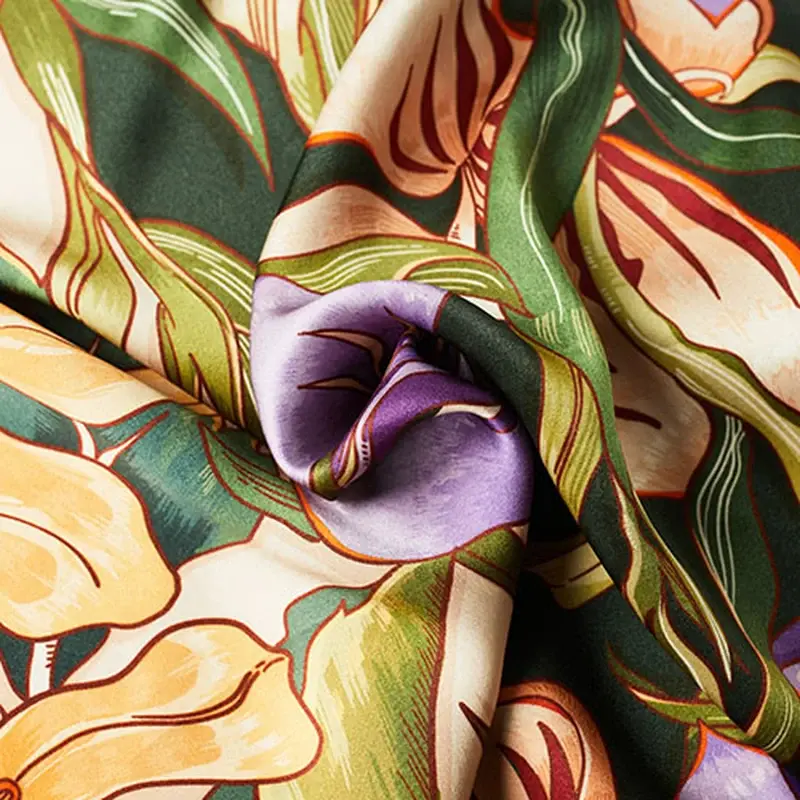
Use the approved material in a printing route or finished-product sample.
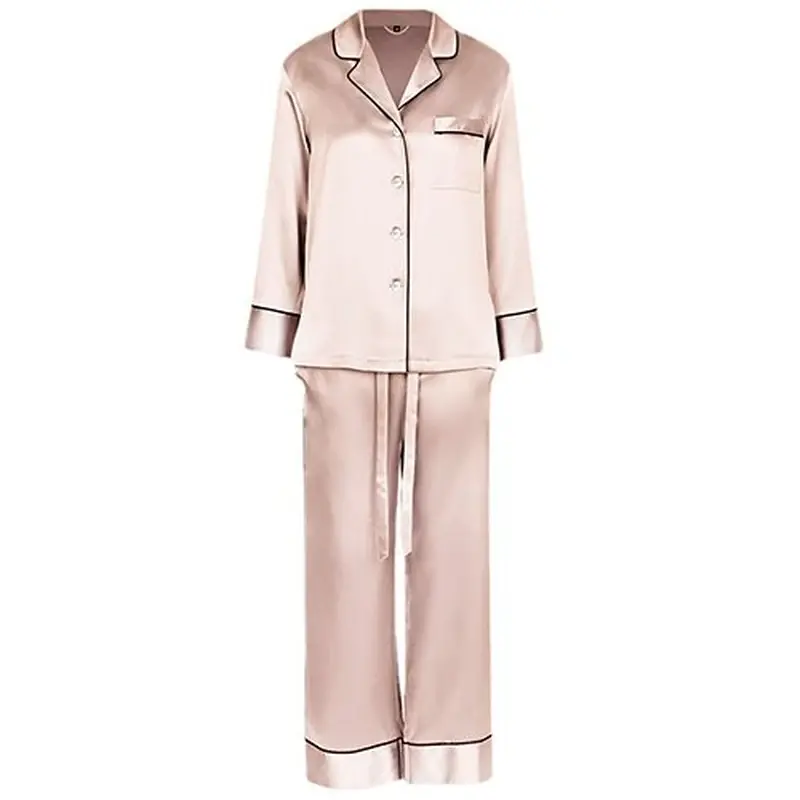
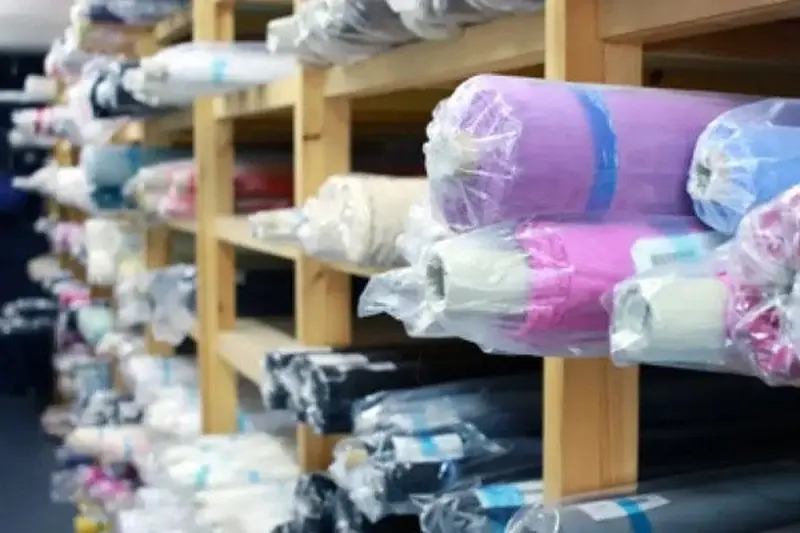
From Fabric Brief to Approved Supply
Confirm the end use and material fields, review the relevant swatch or meter sample, then approve the fabric reference, color, width and finish before bulk supply or finished-product development.
Send Your Silk Fabric Specification
Include the final product, weave, momme, target width, color, finish, sample requirement, quantity and required date.
Request a QuoteFrequently Asked Questions
Answers to the specification questions buyers ask before approving custom silk fabric.