

Silk and satin are often compared as if they are the same type of term, but they are not. Silk is a fiber. Satin is a weave. That means satin can be made from silk, polyester, acetate or other fibers, while silk can be woven into satin, twill, charmeuse, habotai, crepe de chine and other fabric structures.
For premium pillowcases, sleepwear, robes, bedding and selected scarves, buyers often choose silk satin because it combines silk fiber with a smooth satin surface. The right choice still depends on fiber content, momme, hand feel, sheen, care requirements, price target and final product use.
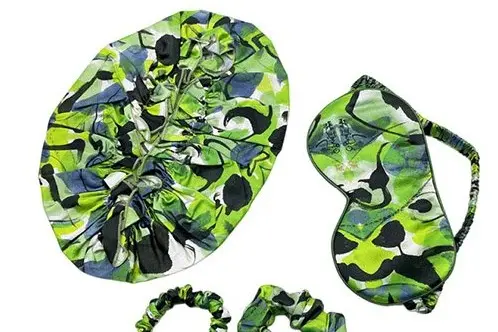
Quick Answer: Silk Is a Fiber, Satin Is a Weave
| Question | Clear answer |
|---|---|
| Is silk the same as satin? | No. Silk is a fiber; satin is a weave. |
| Can satin be made from silk? | Yes. Silk satin is satin fabric woven with silk fiber. |
| Can satin be made without silk? | Yes. Satin can also be made from synthetic or blended fibers. |
| What should buyers check? | Fiber content, fabric weight, hand feel, sheen, care label and sample result. |
| What is a common premium option? | 100% mulberry silk satin or silk charmeuse, depending on product use. |
The most useful comparison is usually silk satin vs synthetic satin, or silk satin vs another silk fabric.
What Silk Satin Means
Silk satin is not a separate fiber. It is satin fabric made with silk fiber. The satin weave creates a smooth face and visible sheen, while the silk fiber gives the fabric its silk hand feel and drape.
ElaraSilk commonly discusses 100% mulberry silk, 6A grade silk and 16 / 19 / 22 / 25 / 30 Momme options depending on the product. A pillowcase, pajama set, robe and scarf may all need different weight, drape and construction decisions.
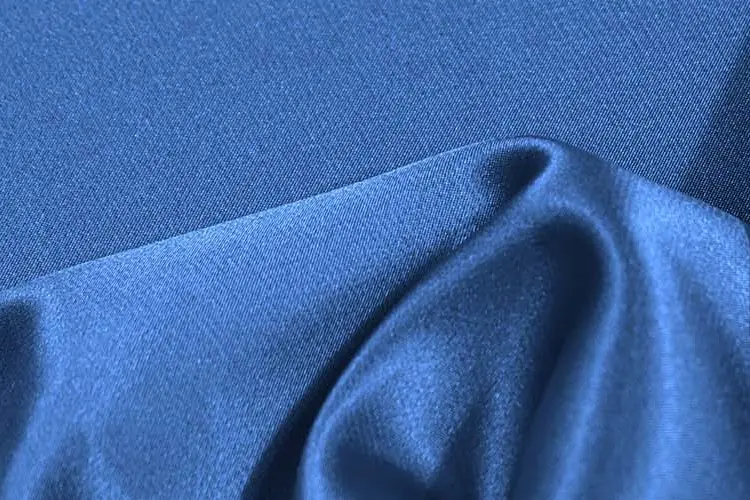
Product Comparison
| Product | What to compare before choosing |
|---|---|
| Silk pillowcases | Fiber content, momme, closure, stitching, color and care label |
| Silk pajamas | Drape, opacity, seam construction, print layout and size grading |
| Silk robes | Fabric weight, sheen, belt details, pocket placement and packaging |
| Silk bedding | Size, fabric weight, hand feel, finishing and packing method |
| Silk scarves | Drape, sheen, print color, edge finish and folded appearance |
| Gift sets | Product mix, label, hang tag, box, pouch and ribbon presentation |
If the product will be sold under a silk claim, the label and product description should match the actual fiber content.
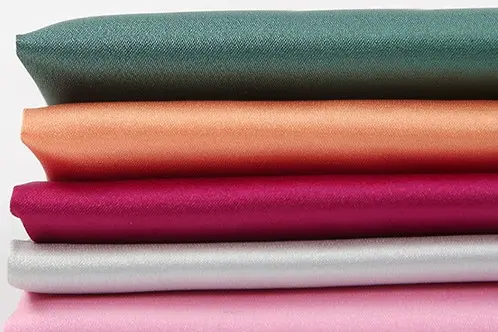
Silk Satin vs Synthetic Satin
| Comparison point | Silk satin | Synthetic satin |
|---|---|---|
| Fiber | Made with silk fiber | Made with non-silk fiber or blends |
| Surface | Smooth satin face | Smooth satin face |
| Product position | Premium silk products | Budget, fashion or decorative products depending on fiber |
| Label needs | Should clearly state silk content | Should not be described as silk unless silk is actually present |
| Sample review | Check momme, drape, sheen, print and construction | Check fiber, hand feel, color, drape and care |
This is why buyers should not judge by the word satin alone. Ask what the satin is made from.
Momme and Sample Planning
For silk products, momme affects weight, opacity, hand feel and price planning. A lighter silk satin may feel more fluid, while a heavier option may feel more substantial. The right direction depends on the product.
Useful sample questions include:
- What fiber content will appear on the care label?
- Which momme is suitable for the product?
- Does the fabric have enough opacity for the design?
- How does the color look on the chosen fabric?
- Is the hand feel right for the target customer?
- Does the stitching, closure, trim or edge finish match the product plan?
Samples are especially useful when comparing silk satin with charmeuse, twill, habotai or crepe de chine.
Care and Label Notes
Care instructions should match the real fiber content, dye or print method, construction and finishing. A generic satin care instruction may be wrong if the satin is made from silk, and a generic silk care instruction may still need review for the exact product.
For private-label orders, plan the care label, size label, woven label, hang tag and packaging early so the product information is consistent.
Common Mistakes to Avoid
Avoid these issues when comparing silk and satin:
- Calling all satin silk
- Comparing silk fiber against satin weave as if they are equivalent
- Choosing only by shine in photos
- Ignoring momme, opacity and hand feel
- Using product claims that do not match fiber content
- Forgetting care-label and packaging requirements
Clear terminology protects both the buyer and the end customer.
Frequently Asked Questions
No. Silk is a fiber, while satin is a weave. Satin can be made from silk or from other fibers.
Silk satin is satin fabric made with silk fiber. It is often chosen for a smooth surface, visible sheen and refined drape.
No. Satin can be made from silk, synthetic fibers or blends. Always confirm the fiber content before choosing.
Yes, silk satin can be suitable for pillowcases, pajamas, robes and bedding when the momme, construction and care requirements fit the product.
Compare product use, hand feel, sheen, drape, momme, artwork, care label and sample result before deciding.
Send the product type, target hand feel, size, momme direction, color or artwork, quantity, label needs and packaging plan.
Related Resources
Send your product type, target hand feel, finished size, momme direction, fabric preference, color or artwork, quantity, label needs and packaging plan. ElaraSilk can help compare silk satin with other silk fabric options before sampling.
Send Project Details