
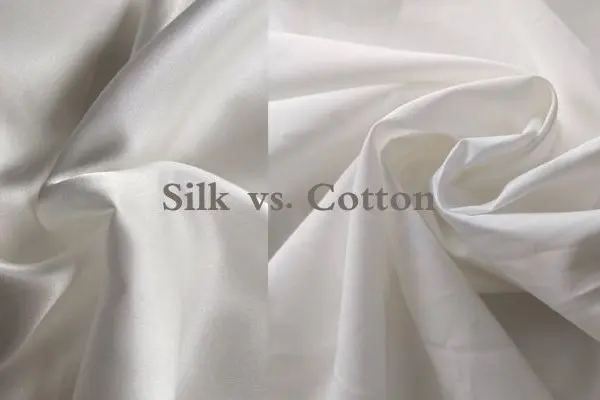
ElaraSilk's confirmed material range covers 100% mulberry silk and the silk weaves listed on this website. Cotton and mixed-fiber fabrics are discussed here only for comparison; this article does not present them as ElaraSilk supply options.
Silk and cotton are both natural fibers, but they create different surfaces, drape and care decisions. Silk is often selected when a product needs a refined surface and fluid movement. Cotton is often considered when a matte appearance and more everyday structure fit the product brief.
The useful question is not which fiber is universally better. It is which material, weave, weight and construction should be sampled for the intended product.

Quick Comparison: Silk and Cotton
| Decision point | Silk | Cotton |
|---|---|---|
| Fiber family | Natural protein fiber | Natural plant fiber |
| Surface | Varies by weave; may be smooth, lustrous or textured | Often matte, though the weave and finish change the result |
| Drape | Can be fluid or structured depending on weave and momme | Often has more body, depending on weave and weight |
| Weight language | Silk projects may use momme | Cotton commonly uses other weight specifications |
| Care | Must follow the finished product's care label | Must also follow the actual fabric, dye, construction and care label |
| Sample decision | Check weave, momme, color or print and construction | Check weave, weight, finish, color or print and construction |
Neither fiber name is a complete specification. A buyer still needs the weave, weight, color, finish, dimensions and final construction.
When Silk May Fit the Product Brief
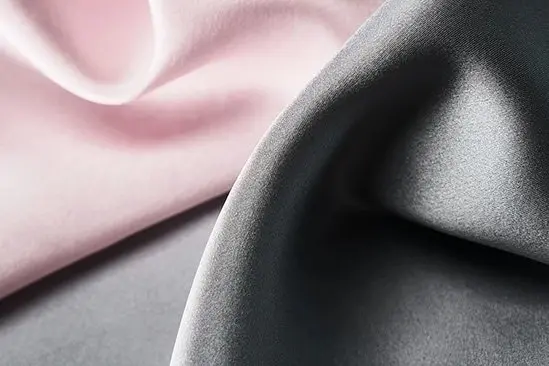
Silk may be considered when surface, drape and presentation are central to the product. ElaraSilk's confirmed range includes 100% mulberry silk in 16, 19, 22, 25 and 30 momme, together with charmeuse, crepe de chine, habotai, silk satin, silk twill and silk chiffon.
Relevant product questions include:
- Does the design need a smooth, textured, sheer or lower-sheen surface?
- How should the fabric drape at the finished size?
- Will the product use a print, solid color, embroidery, piping or a rolled edge?
- Do seams, layers, filling, lining or interlining change the required body?
- Which label and packaging details must be approved with the sample?
Do not choose the highest momme automatically. Compare the proposed weave and weight in the finished product.
When Cotton May Fit a Different Brief
Cotton can be a useful benchmark when the product calls for a matte surface, familiar everyday positioning or a different structure and care route. Those are general material considerations, not an ElaraSilk cotton supply claim.
A cotton comparison should specify its own weave, weight, finish, shrinkage expectations, color or print route and final care label. Do not compare an undefined cotton fabric with a fully specified silk sample and treat the result as a fiber-only difference.
Compare Samples, Not Fiber Names Alone
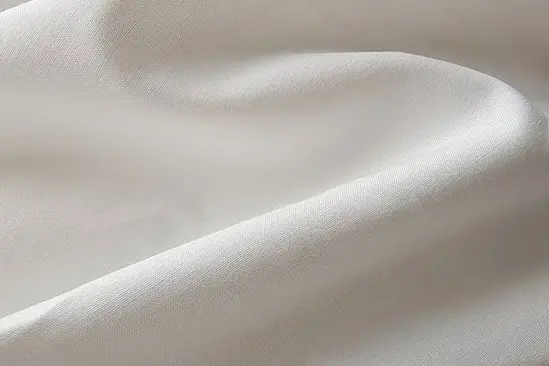
Use comparable samples wherever possible. Record the product, finished size, fiber content, weave, weight, color or artwork, finish and construction for each option.
Check:
- face and reverse appearance;
- hand, drape, body and opacity;
- print or dyed-color appearance;
- seams, edges, folds and layers;
- closure, trim, lining or interlining behavior;
- pressing, packing and care-label direction.
For a printed or branded product, approve the actual material and artwork combination. Screen color and a loose swatch do not approve the finished product.
Label and Care Boundaries
Fiber content on product pages, labels and packaging must match the material supplied. A mixed-fiber fabric cannot be described as 100% silk, and a cotton product cannot be described as silk.
Care instructions must follow the actual fiber, weave, dye or print, finish, trims and construction. A generic silk or cotton care sentence should not override the finished product's approved care label.
Questions to Put in the Material Brief
Send the product type, finished dimensions, desired surface and drape, opacity need, color or artwork, construction, quantity, label requirements, packaging and target date. If you are comparing silk with another fiber, mark which specifications are already known and which still need a physical sample.
Frequently Asked Questions
No. Surface depends on weave, weight and finish. Compare the actual materials instead of relying on the fiber names alone.
No universal answer applies. The product position, surface, closure, construction, care route and approved sample determine the choice.
Current confirmed company records cover 100% mulberry silk and the silk options listed on this website. This article does not claim cotton or mixed-fiber supply.
Do not assume that. The finished care label should reflect the actual fabric, color or print, finish, trims and construction.
Compare composition, weave, weight, surface, drape, opacity, color or print, seams, edges, layers, care direction and the final product appearance.
Related Resources
Send the product type, finished size, desired surface and drape, artwork or color reference, quantity, labels and packaging. ElaraSilk can compare confirmed silk options for the project; cotton or mixed-fiber supply is not claimed on this page.
Send Project Details