
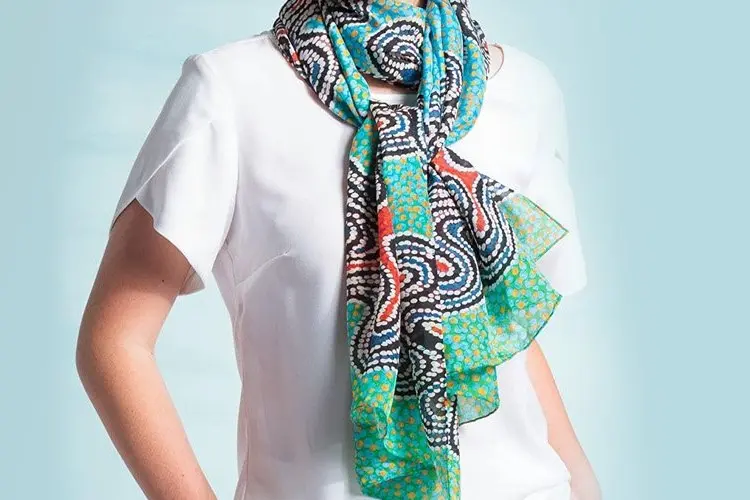
Chiffon and silk are often compared as if they are the same kind of word, but they are not. Chiffon describes a light, sheer fabric structure. Silk describes a fiber. Chiffon can be made from silk or from other fibers, while silk can be made into chiffon, satin, twill, habotai, charmeuse and crepe de chine.
Silk chiffon means chiffon made with silk fiber. It is light, sheer and flowing, which makes it useful for scarves, overlays, blouses, dresses and selected printed silk projects. It is not the right fabric for every product, especially when opacity, thickness or a dense surface is required.
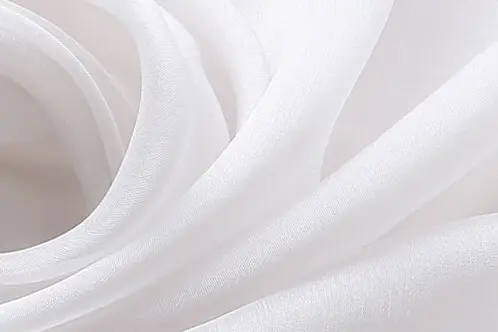
Quick Answer: Chiffon Is a Structure, Silk Is a Fiber
| Question | Clear answer |
|---|---|
| Is chiffon the same as silk? | No. Chiffon is a fabric structure; silk is a fiber. |
| Can chiffon be silk? | Yes, when the chiffon is made with silk fiber. |
| Can chiffon be non-silk? | Yes. Chiffon can also be made from other fibers. |
| What is silk chiffon known for? | Sheerness, light drape and soft movement. |
| What should buyers check? | Fiber content, transparency, print effect, care label and sample result. |
For custom products, the key question is not only "chiffon or silk?" It is whether silk chiffon fits the final product use.
What Silk Chiffon Means
Silk chiffon is a sheer silk fabric. Compared with silk satin or silk twill, it feels lighter, more transparent and more fluid. It can create movement and softness in scarves or garments, but it does not provide the same opacity or body as denser fabrics.
Because of that, silk chiffon should be chosen for a specific effect. If the product needs a smooth glossy face, silk satin may be better. If the product needs more structure, silk twill or another confirmed weave should be compared on a physical sample.
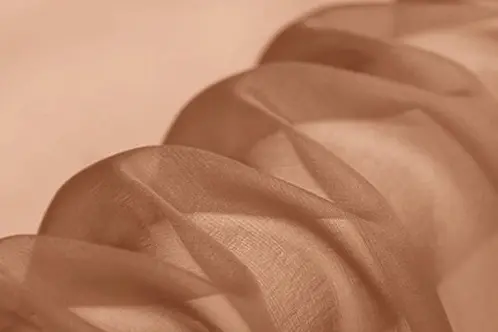
When Silk Chiffon May Fit
| Product or project | Why silk chiffon may fit |
|---|---|
| Lightweight scarves | Sheer look, soft drape, floating movement and delicate edge finish |
| Fashion overlays | Transparency, layering and movement over another fabric |
| Blouses and dresses | Light fabric effect with careful opacity planning |
| Printed silk fabric | Soft color effect and flowing hand feel |
| Event or gift textiles | Delicate presentation when transparency is acceptable |
Silk chiffon is usually not the best direction for pillowcases, heavy bedding or products that need dense coverage.
Compare Silk Chiffon with Confirmed Alternatives
Silk chiffon, habotai and twill answer different product needs. Compare only the materials relevant to the project and approve the selected weight, color, finish and construction on a real sample.
| Fabric direction | General character | Buyer note |
|---|---|---|
| Silk chiffon | Sheer, soft and flowing | Review transparency, layering and edge finish |
| Silk habotai | Lighter plain surface | Review opacity, body, print detail and seams |
| Silk twill | Diagonal texture and more structure | Review drape, border, print detail and finished shape |
Printing and Color Notes
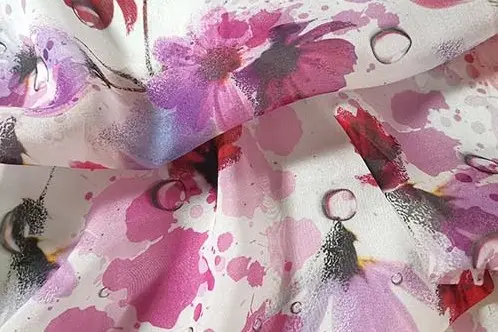
Silk chiffon can be printed, but its sheerness changes how artwork appears. Colors may look softer than they do on denser silk fabrics, and the print may look different when the fabric is layered or folded.
Before sampling, prepare:
- Product type and finished size
- Fabric direction and transparency expectation
- Artwork, border or repeat layout
- Pantone or physical color references
- Quantity and sample needs
- Edge finish, seam or construction notes
- Label and packaging plan
Sample review should check color, transparency, line clarity, drape, edge finish and overall product feel.
Label and Product Claim Notes
Do not assume all chiffon is silk. For product pages, hang tags and care labels, confirm the actual fiber content before using any silk claim. If the chiffon is not made with silk fiber, it should not be described as silk chiffon.
Care instructions should also match the actual fiber, dye or print method, construction and finishing.
Common Mistakes to Avoid
Avoid these issues when choosing chiffon or silk chiffon:
- Calling every chiffon fabric silk
- Choosing chiffon for products that need opacity
- Judging transparency only from flat photos
- Printing detailed artwork without sample review
- Forgetting how the fabric looks when folded or layered
- Using labels that do not match fiber content
Clear terminology helps buyers choose the right fabric and avoid product mismatch.
Frequently Asked Questions
No. Chiffon is a fabric structure, while silk is a fiber. Chiffon can be made from silk or from other fibers.
Silk chiffon is chiffon made with silk fiber. It is known for a sheer appearance, light drape and flowing movement.
Yes, silk chiffon can work for lightweight scarves when the design benefits from transparency, soft drape and delicate movement.
Usually no. Pillowcases normally need smoother and denser fabrics such as silk satin or charmeuse.
Yes, but samples should check color softness, transparency, line clarity, edge finish and how the fabric looks when folded or layered.
Send the product type, finished size, artwork, transparency expectation, color references, quantity, label needs and packaging plan.
Related Resources
Send your product type, finished size, artwork, transparency expectation, fabric direction, color references, quantity, label needs and packaging plan. ElaraSilk can help compare silk chiffon with confirmed silk fabrics before sampling.
Send Project Details