
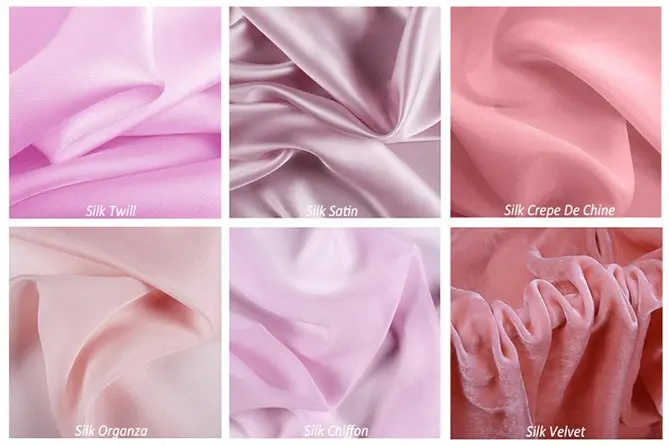
Fabric weave affects how silk looks, feels, moves, prints and performs in a finished product. It is a practical specification for comparing smooth or textured surfaces, sheen, drape, structure, transparency and product use.
Instead of memorizing every possible weave, focus on the confirmed structures relevant to ElaraSilk projects: satin or charmeuse, twill, habotai, crepe de chine and silk chiffon.
Quick Answer: What Is Fabric Weave?
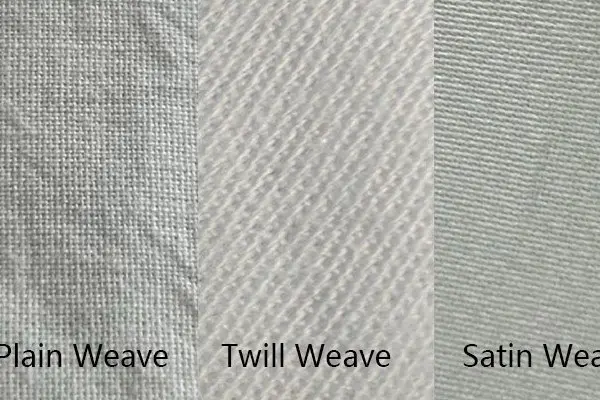
Fabric weave is the way yarns are interlaced to create a fabric surface. The weave influences sheen, texture, drape, opacity, print appearance and product suitability.
| Weave or structure | Common silk buyer meaning |
|---|---|
| Satin | Smooth surface, visible sheen and fluid drape |
| Twill | Diagonal texture, more body and structured presentation |
| Plain weave | Simple interlacing, lighter feel and cleaner surface |
| Crepe | Subtle texture and soft drape |
| Chiffon | Sheer, lightweight structure for transparency and layering |
The same fiber can behave very differently depending on weave. That is why silk satin, silk twill and silk chiffon are not interchangeable.
Satin Weave
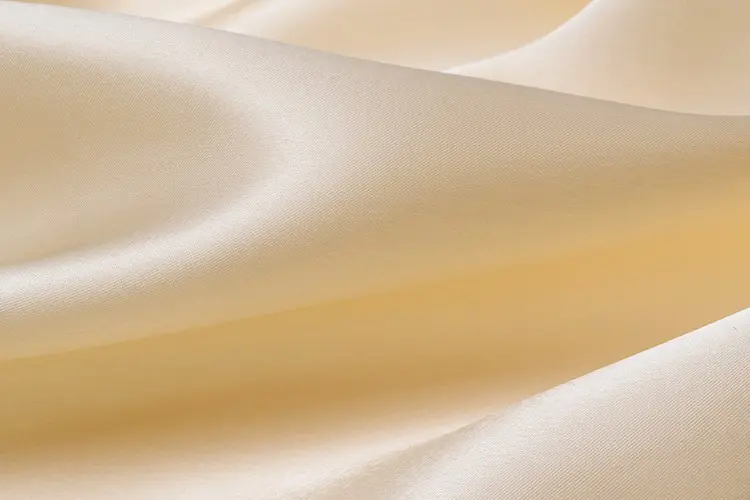
Satin weave creates a smooth face with noticeable sheen. In silk products, satin or charmeuse directions are often considered for pillowcases, sleepwear, robes, bedding and selected scarves.
Choose satin when the product needs:
- Smooth surface
- Visible sheen
- Fluid drape
- Premium sleepwear or bedding positioning
- A surface that feels polished rather than textured
Satin should still be checked by momme, opacity, color and construction before production.
Twill Weave
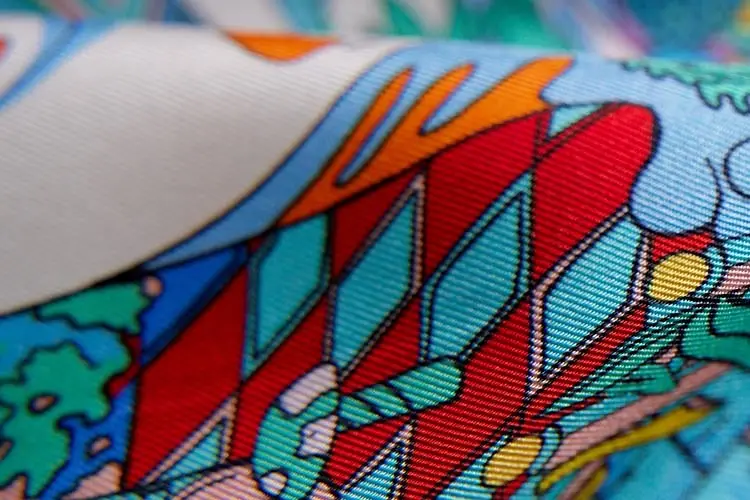
Twill weave is known for diagonal lines on the fabric surface. It usually feels more structured than very smooth or very light silk fabrics.
Choose twill when the product needs:
- Diagonal texture
- More body in the hand
- Scarf, tie or bandana structure
- Stronger presentation for borders or brand graphics
- A less glossy look than satin
Twill can be useful for custom scarves, corporate scarves, ties, bow ties and printed accessories.
Plain Weave and Habotai
Plain weave uses a simple over-under structure. Silk habotai is often discussed in this direction because it can feel light, smooth and simple compared with heavier or more textured silk fabrics.
Choose a plain-weave direction when the product needs:
- Lightweight fabric feel
- Simple surface
- Softer drape than structured twill
- A different price or fabric direction from satin
- Sampling for scarves, linings or light garments
Because plain structures can vary by weight and finish, samples are important.
Crepe de Chine and Silk Chiffon
Crepe de chine and chiffon provide two different alternatives to smooth satin, structured twill and plain habotai.
| Structure | What to consider |
|---|---|
| Crepe de Chine | Soft drape, subtle texture, lower sheen and the finished product construction |
| Silk chiffon | Transparency, layering, light movement, print appearance and edge finish |
Both should be chosen by product use, drape, artwork and sample review. For other weave names, verify the supplier's actual specification and a physical sample instead of assuming availability.
Weave vs Momme
Weave and momme are different decisions. Weave describes structure. Momme describes silk weight.
For example, a buyer may choose a satin weave but still need to decide whether 16, 19, 22, 25 or 30 Momme is suitable for the product. A heavier momme can change opacity, hand feel and product positioning, while the weave still affects surface and drape.
Good fabric selection usually considers both together:
- Fiber content
- Weave or fabric structure
- Momme or fabric weight
- Product use
- Artwork and print method
- Color expectations
- Care label and packaging plan
How Weave Affects Printing
Artwork can look different on different silk weaves. Satin may show color with a smoother shine. Twill may add texture to printed graphics. Chiffon may make colors look softer because of transparency. Crepe may change how fine lines appear because of surface texture.
Before bulk production, use samples to check:
- Print clarity
- Color direction
- Line details
- Hand feel after printing
- Drape and opacity
- Edge finish or construction
Pantone or physical color references can help communication, but the actual fabric sample is still important.
Match Weave to Product Use
| Product | Common weave direction |
|---|---|
| Silk pillowcases | Satin or charmeuse for smooth surface |
| Silk pajamas and robes | Satin, charmeuse, crepe de chine or habotai depending on drape |
| Silk scarves | Twill, satin, habotai, chiffon or crepe de chine depending on style |
| Silk ties and bow ties | Twill or other structured silk directions |
| Printed silk fabric | Depends on artwork, drape, opacity and final product use |
| Gift accessories | Depends on hand feel, print effect, label and packaging plan |
The best weave is the one that supports the product goal, not the one with the most technical name.
Frequently Asked Questions
A fabric weave is the way yarns are interlaced. It affects texture, sheen, drape, opacity, print appearance and product suitability.
Silk satin or charmeuse is commonly used for pillowcases when buyers want a smooth surface and visible sheen.
Silk twill, satin, habotai, chiffon and crepe de chine can all be used for scarves depending on structure, drape, print and edge finish.
Yes. Fabric texture, sheen, transparency and surface structure can affect print clarity, color appearance and hand feel.
No. Weave is fabric structure. Momme is silk weight. Buyers should consider both when choosing fabric.
Send the product type, finished size, target hand feel, artwork, fabric direction, color references, quantity, label needs and packaging plan.
Related Resources
Send your product type, finished size, target hand feel, artwork, fabric direction, color references, quantity, label needs and packaging plan. ElaraSilk can help compare silk weave options before sampling.
Send Project Details