
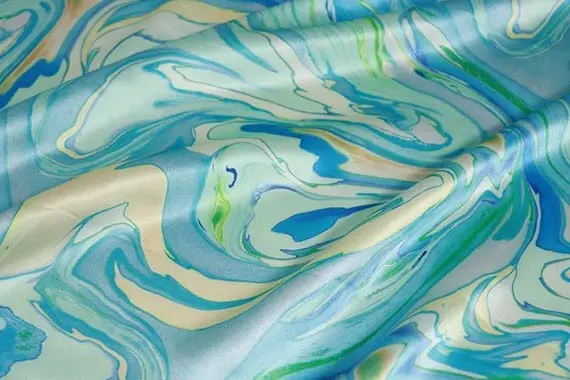
Pattern design can shape scarves, bandanas, robes, kimonos, packaging and printed silk fabric. A strong pattern is not only a good-looking motif. It also needs the right repeat, scale, color references, fabric direction and product layout before sampling.
Use pattern ideas as a bridge between creative direction and production artwork. The earlier repeat, border, placement and product use are defined, the easier it is to review the first sample.
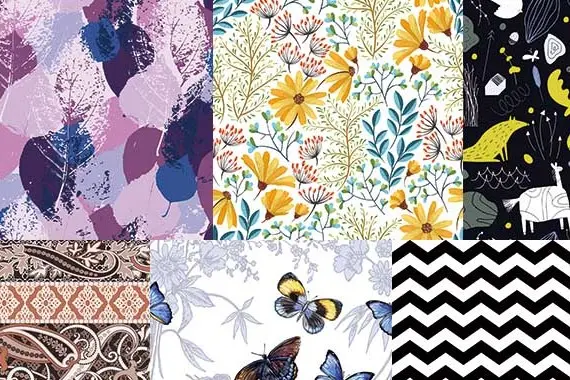
Pattern Directions for Silk Product Design
| Pattern direction | Useful for | Production note |
|---|---|---|
| Floral patterns | Scarves, robes, sleepwear-style projects and seasonal collections | Check motif scale and color softness on silk |
| Paisley patterns | Bandanas, square scarves and heritage-inspired designs | Review repeat spacing and border balance |
| Geometric patterns | Corporate scarves, ties, accessories and modern collections | Check alignment, color contrast and repeat accuracy |
| Border patterns | Square scarves, bandanas and gift products | Leave edge finish allowance and corner space |
| Abstract motifs | Artist scarves, statement products and printed fabric | Review crop, scale and color balance |
| Small motif repeats | Pouches, accessories, linings and compact products | Make sure the motif stays readable at final size |
The best pattern direction depends on the product, not only the style name.
Repeat, Scale and Border Planning
A pattern that looks good on screen can still need adjustment for a silk product. Repeat size, border placement and motif scale should be reviewed at the actual product size.
| Pattern decision | Why it matters |
|---|---|
| Repeat tile size | Affects how the pattern flows across fabric or cut panels |
| Motif scale | Changes how the pattern looks folded, worn or packaged |
| Border width | Helps frame square scarves and bandanas |
| Corner details | Can make folded scarf presentation more intentional |
| Placement print | Useful when artwork needs a fixed position instead of a repeat |
| Edge allowance | Prevents important artwork from being lost in hemming or cutting |
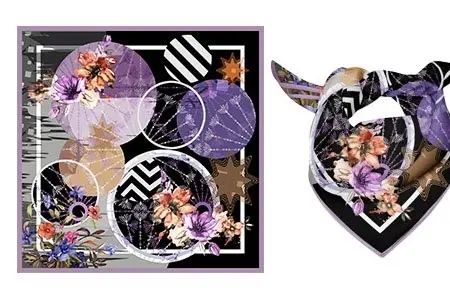
For scarves and bandanas, check both flat view and folded view. For robes or printed fabric, check how the repeat works across seams and cutting direction.
Product Applications
| Product | Pattern planning focus |
|---|---|
| Silk scarves | Border, corner detail, folded view, edge finish and packaging fold |
| Bandanas | Repeat scale, logo placement, edge finish and casual styling |
| Silk robes and kimonos | Panel placement, seam direction, motif scale and drape |
| Printed silk fabric | Repeat direction, fabric width, cutting plan and color review |
| Pouches and accessories | Small motif clarity, drawstring area, label placement and gift set coordination |
| Packaging | Box artwork, pouch pattern, ribbon color, hang tag and collection story |
One pattern can be adapted across several products, but the scale and layout usually need product-specific review.

Color and Fabric Review
Pattern color should be reviewed on the selected silk fabric, not only on a screen. Weave, momme weight, print method, finishing and lighting can change the final appearance.
Before sampling, prepare:
- Product type
- Finished size
- Pattern file
- Repeat tile or placement layout
- Border and edge finish direction
- Fabric and momme preference
- Pantone or physical color references
- Quantity and number of colorways
- Label and packaging plan
Pantone references can guide communication, but sample approval should confirm the production direction.
File and Rights Notes
Pattern artwork should be clear enough for production review and approved for the intended use. If the pattern is based on a downloaded file, archive image, vintage reference or third-party artwork, confirm usage permission before sampling.
Useful file checks include:
- Editable source file if available
- High-resolution raster file or vector file
- Correct repeat tile
- Clear color layers or references
- Final product size preview
- Notes for border, placement or logo position
If permission or file quality is unclear, use the reference as inspiration and prepare original production artwork.
Common Mistakes to Avoid
Avoid these mistakes when developing pattern artwork:
- Choosing a pattern style before confirming the product type
- Reviewing repeat only on a small screen preview
- Making motifs too large for compact products
- Making details too small for fabric printing
- Forgetting edge finish or cutting allowance
- Using a pattern without checking permission
- Applying the same scale to scarves, robes and packaging without review
A stronger pattern brief connects the motif, repeat, product size, fabric and packaging before the sample is made.
Frequently Asked Questions
Floral, paisley, geometric, border, abstract, seasonal and small motif patterns can all work when the product type, scale, fabric and color references are clear.
Yes. Pattern scale affects how a scarf looks flat, folded, tied, displayed and packed. It should be reviewed at the final scarf size.
Yes. Border patterns can frame square scarves and create stronger folded presentation, but edge finish allowance and corner details should be planned early.
Editable vector files, layered design files or high-resolution raster files can be useful. The file should include repeat direction, size and color references when possible.
It can be adapted, but scale, repeat direction, seams, fabric choice and product size should be reviewed separately for each product.
Send the pattern file, product type, size, repeat or placement direction, color references, fabric preference, quantity, label needs and packaging plan.
Related Resources
Send the pattern file, product type, size, repeat or placement direction, color references, fabric preference, quantity, label needs and packaging plan. ElaraSilk can review whether the pattern is ready for silk sampling.
Send Project Details