

ElaraSilk's confirmed in-house methods are digital printing and screen printing. Reactive dye chemistry and a double-sided visual request are separate technical questions and should not be assumed from a general method name.
Fabric printing methods should be compared before sampling, not after bulk production has already been planned. Digital printing, screen printing, reactive printing and double-sided printing can all be useful for silk projects, but each method depends on artwork, fabric, color goals, quantity and final product use.
The best method is not the one with the most technical name. It is the method that fits the artwork and can be reviewed clearly on the selected silk fabric before production.
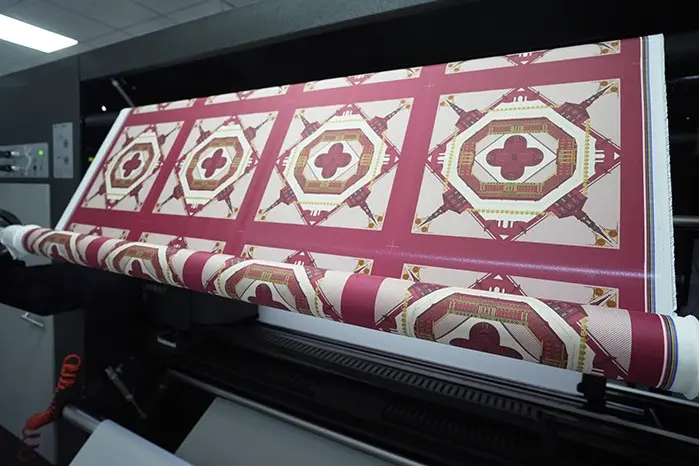
Quick Overview of Common Fabric Printing Methods
| Method | Often considered for | Main planning point |
|---|---|---|
| Digital printing | Detailed artwork, gradients, many colors and flexible design review | Check color, clarity and scale on the fabric sample |
| Screen printing | Selected solid-color graphics, logos and repeat projects | Check color count, setup needs and artwork stability |
| Reactive printing | Selected silk fabric projects where dye behavior and hand feel need review | Confirm fabric fit, color result and finishing through sample approval |
| Double-sided printing | Scarves or fabric products where both sides are visible | Prepare front/back artwork and review opacity, balance and alignment |
This overview is a starting point. A real production decision should include artwork review and sample approval.
Start With Product, Artwork and Fabric
Most printing decisions become clearer when the product details are defined first.
| Decision area | What to prepare | Why it matters |
|---|---|---|
| Product type | Scarf, fabric yardage, sleepwear, robe or accessory | Each product has different placement, seam and finishing needs |
| Fabric direction | Silk charmeuse, twill, habotai, crepe de Chine or another fabric | Weave, weight and opacity affect color and hand feel |
| Artwork style | Gradient, photo-style artwork, solid logo, repeat pattern or placement print | Different artwork styles suit different method discussions |
| Color reference | Pantone number, physical sample or approved previous sample | Color should be reviewed on fabric, not only on screen |
| Quantity | Sample quantity, small batch, repeat order or larger production | Setup and repeat planning can change the method choice |
| Finishing | Edge finish, sewing, label and packaging plan | Printing should match how the finished product will be used |
If these details are missing, the method choice can become guesswork.
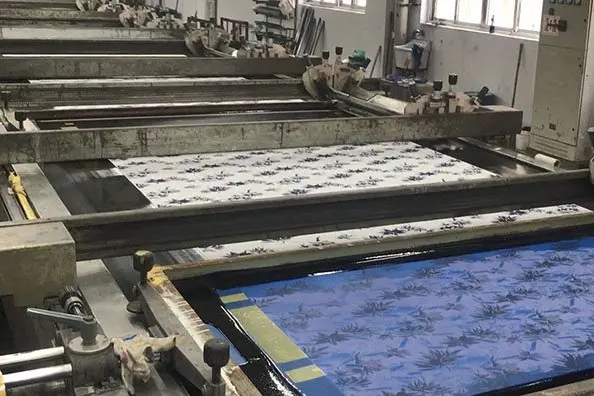
How to Match Method to Artwork
Artwork is usually the first practical filter.
Digital printing is often a useful starting point for detailed illustrations, many colors, gradients and artwork that needs flexible sample review. Screen printing may be worth discussing when artwork uses selected solid colors, simple graphics or repeat production with stable color requirements.
Reactive printing should be reviewed around fabric, dye behavior, hand feel and finishing. Double-sided printing is a separate decision for projects where the reverse side is part of the product experience.
| Artwork situation | Better first discussion |
|---|---|
| Many colors or soft gradients | Digital printing |
| Photo-style scarf artwork | Digital printing |
| Solid logo or limited-color graphic | Screen printing comparison |
| Repeat pattern for fabric | Digital, screen or reactive review depending on color and fabric |
| Premium scarf with visible reverse side | Double-sided printing review |
| Unsure method | Send artwork, fabric direction and quantity for review |
Do not choose only by method name. The artwork file and fabric sample tell more than the label of the method.
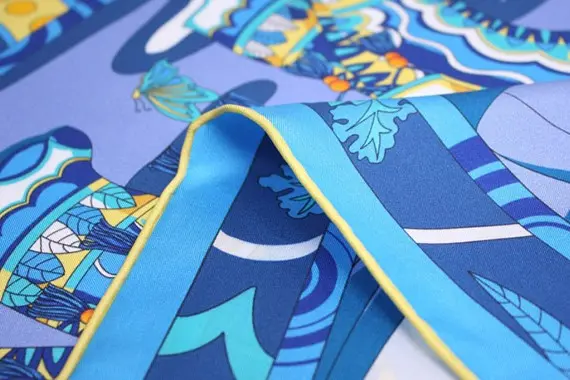
Color and Sample Approval
Color behaves differently on silk than it does on a screen. Fabric weave, momme weight, print method, finishing and lighting can all affect the approved result.
Before sampling, prepare:
- Artwork file
- Product type
- Finished size
- Fabric direction and momme if known
- Pantone or physical color references
- Quantity and number of designs
- One-sided or double-sided print need
- Label and packaging plan
Pantone references help communication, but physical sample approval should guide the production decision.
Product Applications
| Product | Printing planning focus |
|---|---|
| Silk scarves | Artwork scale, border placement, edge finish, color and reverse-side effect |
| Printed silk fabric | Repeat size, fabric width, color direction and cutting plan |
| Silk pajamas and robes | Placement, seams, panels, care label and hand feel |
| Silk accessories | Small logo clarity, fabric stability and packaging presentation |
| Gift or retail sets | Color consistency across product, label, pouch, box and hang tag |
The same artwork may need different checks when it moves from a flat fabric sample to a finished product.
Common Mistakes to Avoid
Avoid these mistakes when comparing fabric printing methods:
- Choosing the method before reviewing artwork
- Treating one method as best for every silk project
- Reviewing color only from a digital screen
- Ignoring fabric weight, weave or opacity
- Forgetting edge finish, seams, labels and packaging
- Skipping sample approval before bulk production
- Comparing price before the print method is technically clear
A better workflow is to confirm product, fabric, artwork and color references first, then choose which method to sample.
Frequently Asked Questions
Common methods include digital printing, screen printing, reactive printing and double-sided printing. The right choice depends on artwork, fabric, color expectations, quantity and product use.
Digital printing is often a useful starting point for detailed artwork, gradients and many colors, but the final result should still be checked on a fabric sample.
Screen printing may be worth comparing for selected solid-color logos or graphic designs, especially when artwork is stable and color count is controlled.
Double-sided printing should be considered when both sides of a scarf or fabric product are visible and need a planned front/back result.
Samples help confirm color, line clarity, artwork scale, fabric hand feel, opacity, edge behavior and whether the chosen method fits production.
Send product type, fabric direction, artwork file, size, color references, quantity, one-sided or double-sided needs, label requirements and packaging plan.
Related Resources
Send product type, fabric direction, artwork file, finished size, color references, quantity, one-sided or double-sided needs, label requirements and packaging plan. ElaraSilk can review which fabric printing method should be sampled first.
Send Project Details