
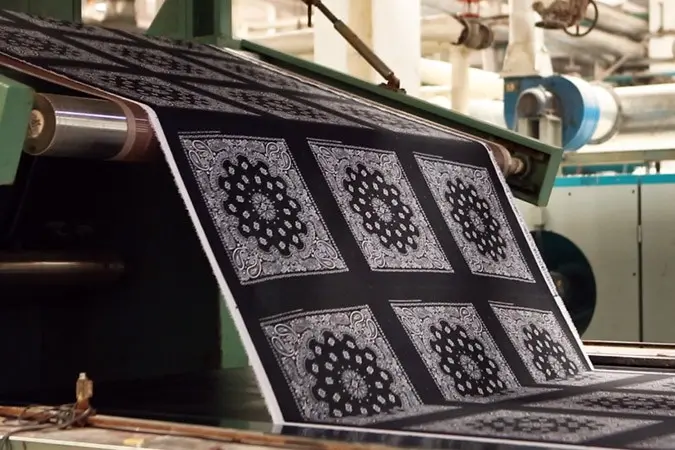
ElaraSilk's confirmed in-house printing records cover digital printing and screen printing. A separate reactive-printing request must be checked against the selected silk, dye system and production route before it is described as available.
Reactive printing is a printing approach where dye behavior, fabric type and processing are important to the final result. For silk buyers, the practical question is not only what reactive printing means, but whether it suits the selected fabric, artwork, color target and product use.
Reactive printing may be considered for selected silk fabric and product projects, but it is not a universal answer for every artwork or fabric. The right decision should be confirmed through fabric review, color references and sample approval.
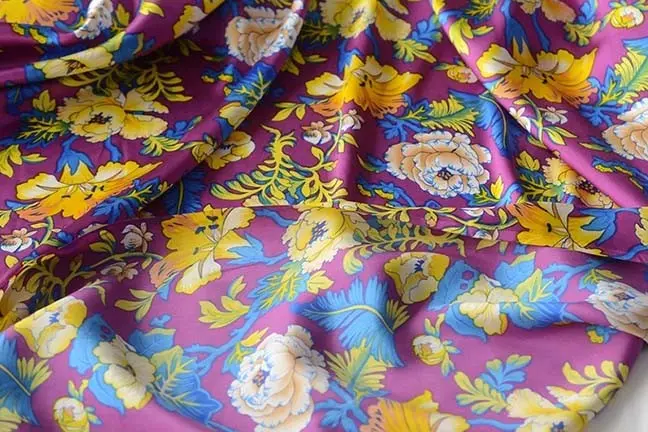
Quick Answer: Reactive Printing Is About Fabric and Dye Behavior
| Topic | Buyer meaning |
|---|---|
| Fabric fit | The method depends on fabric composition, weave and finish |
| Color result | Color should be checked on the actual fabric sample |
| Hand feel | Final feel should be reviewed after printing and finishing |
| Artwork | Suitability depends on design, color area and detail |
| Sample approval | Required before bulk production decisions |
Reactive printing is best discussed as part of a full print plan, not as an isolated method name.
When Reactive Printing May Be Considered
Reactive printing may be worth discussing when the project needs careful color behavior, fabric hand feel and printed silk review. It can be relevant for selected printed silk fabric, scarves, sleepwear-style projects and premium custom silk products.
Consider it when:
- Fabric has been selected or shortlisted
- Artwork and color references are available
- Hand feel after printing matters
- Color review needs a physical sample
- The project needs production consistency after approval
- The buyer wants to compare it with other printing directions
If the artwork is still unclear, start by preparing artwork and fabric details first.
Reactive Printing vs Other Methods
| Method direction | Main buyer question |
|---|---|
| Digital printing | Does the artwork need gradients, many colors or flexible sampling? |
| Screen printing | Is the design mostly solid colors, logos or repeat production? |
| Reactive printing | Does the selected fabric and dye behavior support the desired result? |
| Double-sided printing | Does the scarf or fabric need a clearer visual result on both sides? |
These methods should not be compared only by name. Compare artwork, fabric, color, quantity and sample goals.
Color and Sample Review
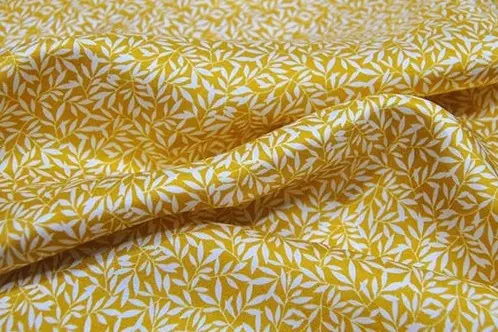
Reactive printing decisions should include sample review. Silk fabric, weave, weight, artwork density and finishing can all affect color and hand feel.
Before sampling, prepare:
- Product type
- Fabric direction
- Finished size
- Artwork file
- Pantone or physical color references
- Quantity
- Care-label or finishing requirements
- Label and packaging plan
Fabric inspection, color check and final packing check should be part of the quality review.
Product Applications
| Product | Reactive printing planning focus |
|---|---|
| Printed silk fabric | Fabric behavior, color, repeat layout and final use |
| Silk scarves | Drape, color, border layout, edge finish and folded presentation |
| Silk sleepwear projects | Hand feel, print placement, seams and care label |
| Gift or retail silk items | Color consistency, packaging and customer care information |
| Premium custom silk projects | Sample approval and repeat production planning |
The product type should guide the method discussion.
Common Mistakes to Avoid
Avoid these mistakes when considering reactive printing:
- Choosing the method before confirming fabric
- Sending artwork without color references
- Expecting screen previews to match fabric samples without variation
- Ignoring finishing and hand feel
- Skipping sample approval
- Assuming reactive printing is right for every silk project
A method recommendation is stronger when the artwork, fabric and product use are clear.
Frequently Asked Questions
Reactive printing refers to a printing approach where dye behavior, fabric type and processing affect color result and fabric hand feel.
It can be suitable for selected silk fabric and product projects, but fabric, artwork, color and finishing requirements must be reviewed.
No. Digital printing describes a printing process, while reactive printing relates to dye behavior and fabric processing.
Sampling helps confirm color, clarity, hand feel, finishing result and whether the method suits the selected silk.
Ask when color, fabric hand feel or premium printed silk results are important and you need guidance on the right print method.
Send product type, fabric direction, finished size, artwork, color references, quantity, label needs and packaging plan.
Related Resources
Send your product type, fabric direction, finished size, artwork, color references, quantity, label needs and packaging plan. ElaraSilk can review whether reactive printing should be sampled or compared with another method.
Send Project Details