
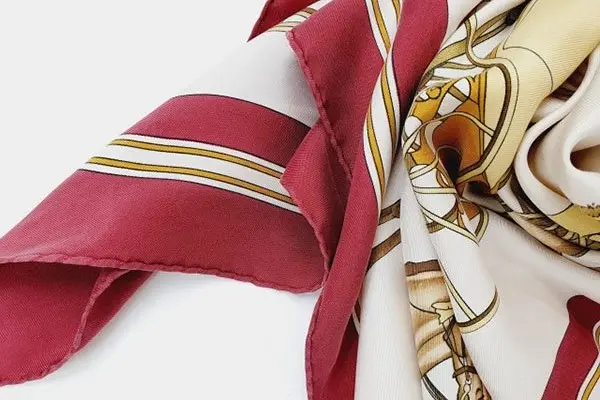
Silk stain care should be cautious. Some stains may not come out fully, and aggressive cleaning can make the problem worse by damaging fiber, color, print or surface finish.
The safest first step is to check the care label, blot gently and avoid harsh cleaners. For valuable silk, dark colors, printed artwork, delicate trims or old stains, professional cleaning may be the better choice.
Quick Answer: Handle Silk Stains Gently
| Step | Practical guidance |
|---|---|
| Blot first | Use a clean cloth and avoid rubbing |
| Check the label | Follow product-specific care instructions |
| Test carefully | Check a hidden area when color response is uncertain |
| Avoid strong products | Do not use bleach or harsh stain removers |
| Keep heat away | Heat can set some stains or affect silk |
| Use professional care when needed | Especially for valuable, printed or dark silk |
Do not promise that every stain can be removed. Care guidance should help reduce damage risk, not create unrealistic expectations.
What Not to Do
| Avoid | Why it matters |
|---|---|
| Rubbing the stain | Can spread the stain and damage the surface |
| Bleach or strong cleaners | Can affect silk fiber, color and print |
| Hot water | Can set some stains or change fabric feel |
| Scrubbing printed areas | Can affect artwork or surface finish |
| Drying with high heat | Can make marks harder to address |
| Guessing without a label | Fiber, dye, print and finish may need specific care |
If the stain is serious or the product is difficult to replace, professional care is usually safer than repeated home attempts.
Gentle First Steps
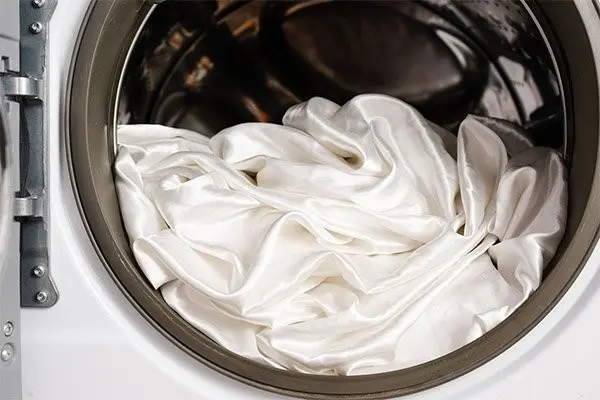
If the care label allows cautious handling, start with the least aggressive method.
- Place the stained area on a clean towel.
- Blot gently from the outside of the stain toward the center.
- Avoid spreading the stain into nearby fabric.
- Use cool water only if the care label allows it.
- Test any cleaning method on a hidden area first.
- Stop if color transfers, the fabric changes texture or the stain spreads.
- Let the item air dry away from heat if gentle care is appropriate.
These steps are precautions to reduce the chance of making the damage worse, not a promise of a complete result.
Product-Specific Stain Notes
| Product | Stain-care focus |
|---|---|
| Silk scarves | Printed artwork, borders, hand-rolled hems and color areas |
| Silk pillowcases | Smooth surface, closure, stitching and frequent use |
| Silk pajamas | Seams, trims, buttons, elastic and printed panels |
| Silk sleep masks | Embroidery, elastic band, filling and label position |
| Silk scrunchies | Elastic, small folds, dye and seam details |
| Printed silk fabric | Color response, line clarity and cutting plan |
The product structure matters because stain handling can stress seams, trims, elastic and printed details.
Stain-Care Guidance for Brands
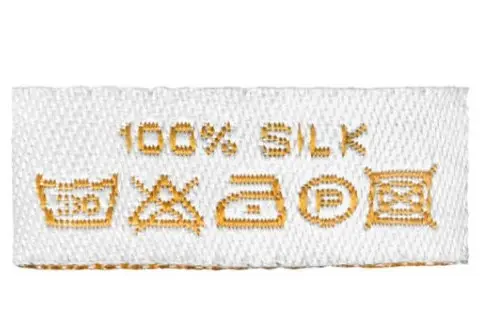
Retail silk products should include care labels or care cards with practical caution notes. The wording should match the final fabric, dye, print method, trims and packaging.
Useful care-card notes may include:
- Blot gently; do not rub
- Avoid bleach and harsh cleaners
- Follow the care label first
- Keep away from high heat
- Use professional care for difficult stains
- Test carefully when color response is uncertain
This is especially important for private-label scarves, pillowcases, pajamas, sleep masks and gift items.
When Professional Cleaning Is Safer
Professional cleaning may be safer when:
- The item is valuable or hard to replace
- The stain is old or unknown
- The fabric is dark or heavily printed
- The product has embroidery, trims or elastic
- The care label does not allow washing
- Gentle first steps change the fabric or color
The goal is to protect the product, not force a stain-removal result.
Packaging and Customer Expectations
Care cards and packaging can reduce customer confusion. For gift-ready silk products, include simple care reminders so customers do not use harsh cleaners or high heat after a spill.
For custom silk projects, care guidance should be reviewed with the final sample and packaging plan. This helps align product quality, label wording and customer instructions.
Frequently Asked Questions
No. Some stains may not come out fully, and aggressive cleaning can damage silk, so careful handling is important.
No. Rubbing can spread the stain, distort the fabric or damage the silk surface. Blot gently instead.
No. Bleach and harsh chemicals can damage silk fiber, color and print.
Professional cleaning is safer for valuable silk, dark colors, printed silk, old stains, delicate trims or stains that do not respond to gentle care.
Yes. Care labels or care cards can help customers avoid harsh cleaning methods and reduce care mistakes.
Send product type, fabric, dye or print method, trims, quantity, label needs and packaging plan.
Related Resources
Send your product type, fabric, dye or print method, trims, quantity, label needs and packaging plan. ElaraSilk can help review stain-care and care-card direction before sampling.
Send Project Details