
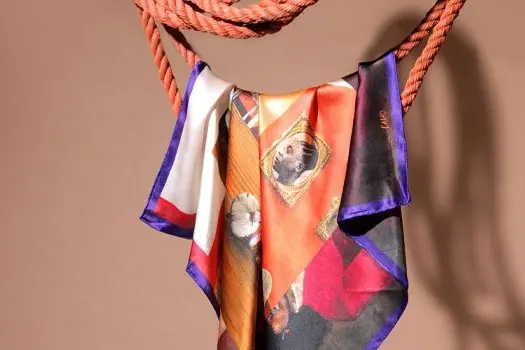
Museum scarf ideas often begin with artwork, an exhibition theme, an archive pattern, a cultural detail or a gift-shop concept. The challenge is turning that idea into a scarf that can be printed, sampled, packaged and sold with the right permissions and production details in place.
A useful museum scarf plan should connect image rights, file quality, scarf size, fabric, color review, edge finish, labels and packaging before sample development.

Museum Scarf Directions to Consider
| Direction | How it can work | Planning note |
|---|---|---|
| Artwork reproduction scarf | A painting, illustration or approved image becomes the main scarf artwork | Confirm usage rights, file quality and color references first |
| Exhibition theme scarf | Motifs, colors and details from an exhibition become a wearable gift | Keep the theme clear without overloading the layout |
| Archive pattern scarf | Historic patterns, object details or decorative elements inspire the print | Check ownership, permissions and repeat quality |
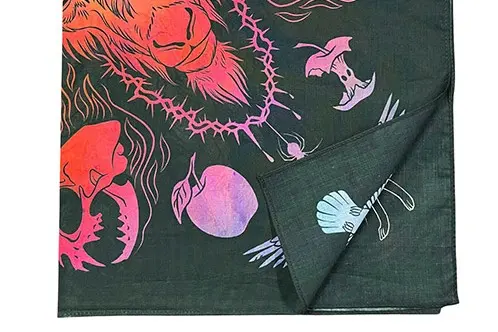
| Border scarf | A square scarf frames artwork with border and corner details | Plan hem allowance and folded presentation |
| Artist gift scarf | Artist-approved artwork is adapted for a limited gift or retail item | Confirm approval steps and packaging story |
| Shop collection scarf | Several scarf colorways or designs support one museum shop program | Plan SKU, label, hang tag and box consistency |
Use these directions as planning routes, not as proof of existing museum relationships or previous projects.
Confirm Rights Before Design Work Starts
Museum scarves often involve artwork, collection images, artist work, archive files, brand marks or exhibition graphics. Rights and usage scope should be clear before production artwork is prepared.
Check these points early:
- Who owns the artwork or image
- Whether commercial product use is allowed
- Whether cropping, recoloring or layout adaptation is allowed
- Whether artist, museum or estate approval is required
- Whether credit text or story card copy is needed
- Which territory, quantity or sales channel is covered
If rights are unclear, use the visual direction as inspiration only and create original production artwork.
Turn Artwork Into a Scarf Layout
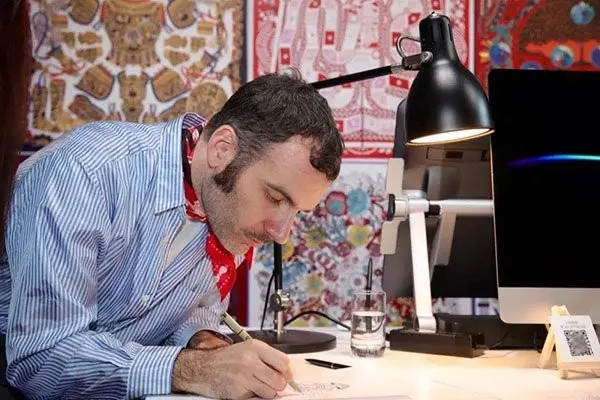
Artwork that works on a wall, poster or catalog page may need adjustment for a scarf. The scarf may be viewed flat, folded, tied, displayed in a box or handled in a museum shop.
| Layout option | Useful for | What to review |
|---|---|---|
| Center artwork | Art scarves and display-led gifts | Image scale, blank space and border balance |
| Framed border | Square scarves and premium gift packaging | Border width, corner details and edge finish |
| Detail repeat | Archive motifs and decorative objects | Repeat size, spacing and cutting direction |
| Color-story scarf | Exhibition palettes and shop collections | Color references and sample review |
| Text plus artwork | Story-led gifts or artist editions | Text size, readability and permission |
Scarf artwork should be reviewed at actual size before sampling.
Choose Format, Fabric and Finish
Museum scarves often need to balance artwork presentation with wearable use. A square scarf can work well for framed artwork, while a long scarf can suit repeat motifs or flowing exhibition patterns.
| Choice | Planning focus |
|---|---|
| Square scarf | Center artwork, border, corner detail and gift-box display |
| Long scarf | Repeat direction, drape, end border and folded packaging |
| Silk twill | Structure, print clarity and premium scarf feel |
| Silk charmeuse or satin silk | Smooth surface, sheen and color presentation |
| Habotai or lighter silk | Soft hand feel and lighter gift product direction |
| Hand-rolled or machine edge | Edge appearance, budget direction and production review |
Fabric and edge finish should be selected before final sample approval because they affect both appearance and packaging.
Color and Sample Review for Museum Gifts
Museum gift products may need careful color review because visitors often connect the scarf to a known artwork, exhibition palette or object detail. A screen preview is not enough.
Before sampling, prepare:
- Artwork file or approved image
- Permission notes or approval requirements
- Scarf size and shape
- Fabric and momme direction
- Pantone, printed proof or physical color references
- Edge finish
- Label and care label needs
- Gift box, pouch, insert or hang tag plan
- Quantity and number of designs
Sample review should check color, image clarity, border placement, fabric hand feel, edge finish and packaged presentation.
Packaging and Story Details
Museum scarves often need more than the scarf itself. The packaging can help explain the artwork, protect the product and support gift-shop display.
Useful packaging elements include:
- Custom woven label
- Care label
- Hang tag
- Story card or insert
- Silk pouch
- Paper box or gift box
- Ribbon packaging
Any artwork title, artist name, collection note or exhibition text should be approved before printing tags or inserts.
Common Mistakes to Avoid
Avoid these mistakes when planning museum scarf projects:
- Starting artwork layout before rights are confirmed
- Using low-resolution images for detailed scarf printing
- Cropping artwork without approval
- Ignoring how the scarf looks folded in packaging
- Reviewing color only on screen
- Choosing scarf size before checking the artwork layout
- Leaving hang tags, care labels and gift boxes until the end
A better process is to confirm rights, prepare files, choose format and fabric, then approve a physical sample before bulk production.
Frequently Asked Questions
A good museum scarf idea connects artwork, exhibition themes or cultural details with clear rights, scarf size, fabric choice, color review and gift packaging.
Artwork can be printed on suitable silk scarf fabrics when the file quality, usage permission, layout, color references and sample approval are handled properly.
Yes. Artwork ownership, usage rights, licensing scope and approval steps should be confirmed before production artwork is developed.
Square scarves are often useful for framed artwork and gift presentation. Long scarves can work for repeat motifs, exhibition colors or styling-led shop products.
Custom packaging is often useful for museum shops because labels, hang tags, story cards, pouches and gift boxes can support the artwork story and retail presentation.
Send artwork files, permission notes, scarf size, fabric direction, color references, edge finish, quantity, label needs and packaging plan.
Related Resources
Send artwork files, permission notes, scarf size, fabric direction, color references, edge finish, quantity, label needs and packaging plan. ElaraSilk can review the museum scarf sample setup before production.
Send Project Details