
Yes, silk can wrinkle. The amount of wrinkling depends on fabric type, weave, momme, product construction, storage, packing method and care.
For brands and retailers, wrinkle planning matters before launch. A silk scarf folded tightly in a small box, a silk pajama set packed under pressure and a silk pillowcase stored flat can all show creases differently. Care labels and packaging should set realistic expectations.
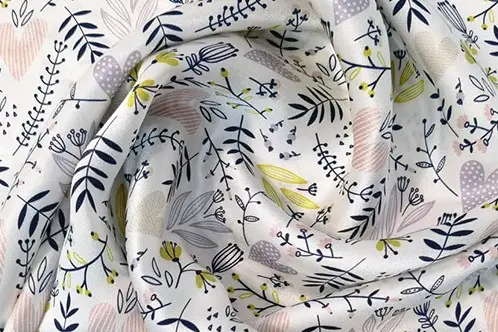
Quick Answer: Silk Can Wrinkle
| Factor | How it affects wrinkles |
|---|---|
| Weave | Satin, twill, chiffon, crepe and habotai can crease differently |
| Momme | Weight can affect body, drape and crease appearance |
| Product type | Scarves, pajamas, pillowcases and robes wrinkle in different areas |
| Packaging | Tight folds or compression can create visible crease lines |
| Storage | Long storage in one fold position can make creases more noticeable |
| Care method | Heat, moisture and handling affect how wrinkles are reduced |
Silk should not be marketed as crease-proof. A more useful promise is clear fabric choice, careful packing and honest care guidance.
Why Some Silk Wrinkles More Than Others
Silk fabric behavior depends on both weight and structure. A lightweight silk chiffon scarf will not behave the same as a silk twill scarf, and silk satin may show fold marks differently because of its smooth surface and sheen.
Consider these points when planning a product:
- Fabric weave or structure
- Momme or fabric weight
- Finished product size
- Seam or edge construction
- Print method and color
- Folding and packing method
- Customer care instructions
Samples are the best way to compare wrinkle appearance before bulk production.
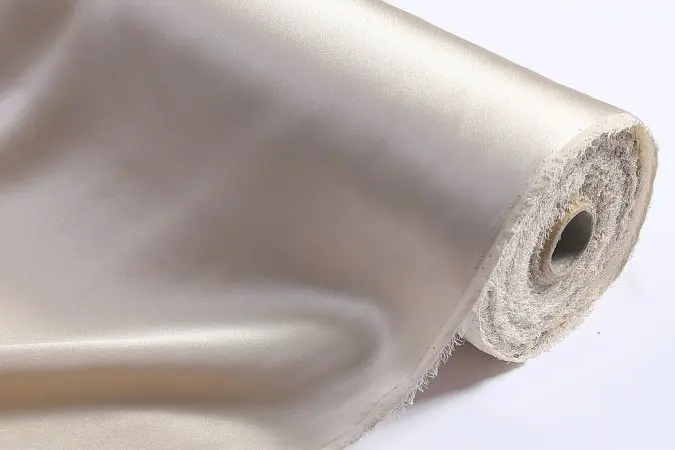
Packaging Can Create Creases
Packaging can make wrinkles more visible if the product is folded tightly, compressed for a long time or packed in a box that does not fit the item well.
| Packaging factor | Why it matters |
|---|---|
| Fold position | Creates visible crease lines in predictable areas |
| Compression | Can flatten silk and hold folds in place |
| Box or pouch size | Affects how the product sits during storage |
| Packing time | Longer storage can make creases more noticeable |
| Care card | Helps customers handle wrinkles correctly |
For retail and gift products, packaging should be tested with the actual product size and fabric.
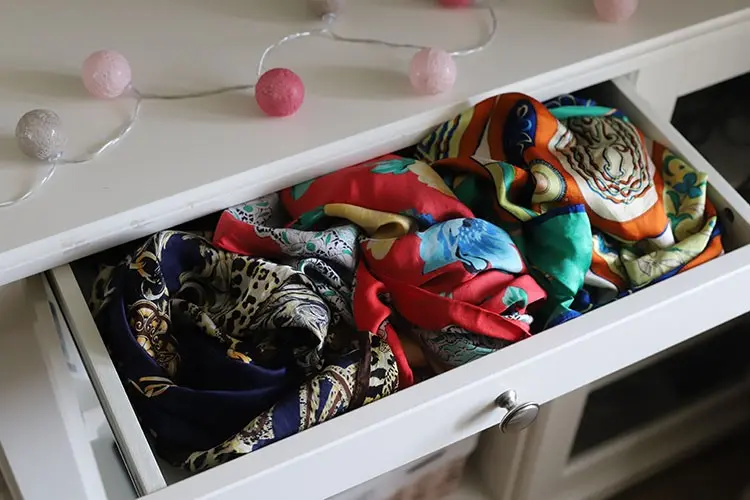
Product-Specific Wrinkle Notes
| Product | Wrinkle planning focus |
|---|---|
| Silk scarves | Fold lines, edge finish, scarf size, box size and display method |
| Silk pajamas | Seams, cuffs, collars, waistbands, drape and hanging vs folding |
| Silk pillowcases | Surface smoothness, closure area, fold lines and packing format |
| Silk robes | Belt loops, pockets, sleeves, hanging, folding and travel packing |
| Printed silk fabric | Roll or fold method, print surface and cutting plan |
Different products need different packaging and care notes.
Reducing Wrinkles Safely
Some wrinkles may be reduced through careful hanging, gentle steaming or low-heat pressing if the care label allows it. But heat and moisture can also create marks on some silk fabrics or prints.
Before using heat or steam, check:
- Care label
- Fabric type
- Print or embroidery
- Dark or glossy surface
- Trims, buttons or labels
- Whether water spotting is likely
For a detailed heat-care guide, use the ironing article rather than guessing.
Care Labels and Customer Expectations
Care labels and care cards should explain how to store, handle and reduce wrinkles without overpromising. For custom silk products, wrinkle guidance should match the final fabric, construction and packaging.
Care-label planning should consider:
- Fabric direction and momme
- Product type and size
- Fold method and box or pouch size
- Heat or steam guidance
- Retail display needs
- Customer care wording
ElaraSilk can discuss custom care labels, hang tags, silk pouches, paper boxes, gift boxes and ribbon packaging.
Common Mistakes to Avoid
Avoid these wrinkle-related mistakes:
- Saying silk does not wrinkle
- Using packaging that forces sharp fold lines
- Packing damp or warm products
- Writing care instructions before sample review
- Ignoring fabric weight and weave
- Treating scarves, pajamas and pillowcases the same way
Wrinkle planning is part of product development, not only customer care.
Frequently Asked Questions
Silk can wrinkle, but the amount depends on fabric type, weight, weave, product use, storage and care method.
Wrinkle behavior varies by weave, weight and finish. Samples are the best way to compare satin, twill, crepe, chiffon or other silk fabrics.
Some wrinkles may be reduced with careful hanging, gentle steaming or low-heat pressing if the care label allows it.
Yes. Tight folding, compression and long storage can create creases, so packaging should be tested for retail products.
Yes. Care labels or care cards can explain storage, ironing and steaming precautions for silk products.
Send product type, fabric, momme or weight, finished size, fold method, packaging plan, label needs and quantity.
Related Resources
Send your product type, fabric, momme or weight, finished size, fold method, packaging plan, label needs and quantity. ElaraSilk can help review wrinkle-related packaging and care-label planning before production.
Send Project Details